In 2026, Tadashi Kawamata returns to what has always defined his work, not the creation of objects, but the construction of relationships. Invited into the landscape of Ruinart, his installations do not sit within nature; they lean into it, listen to it, and slowly dissolve into its rhythms.
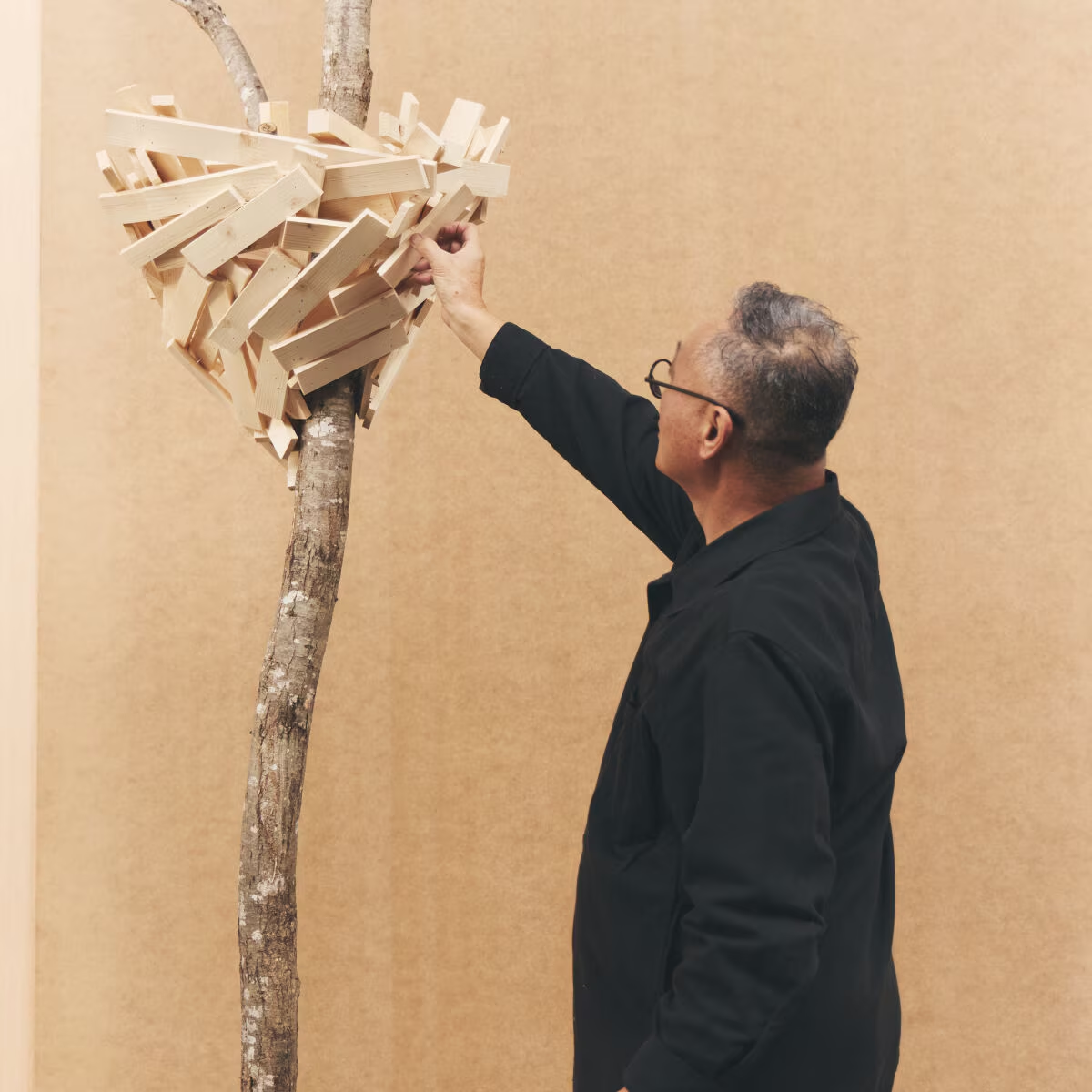
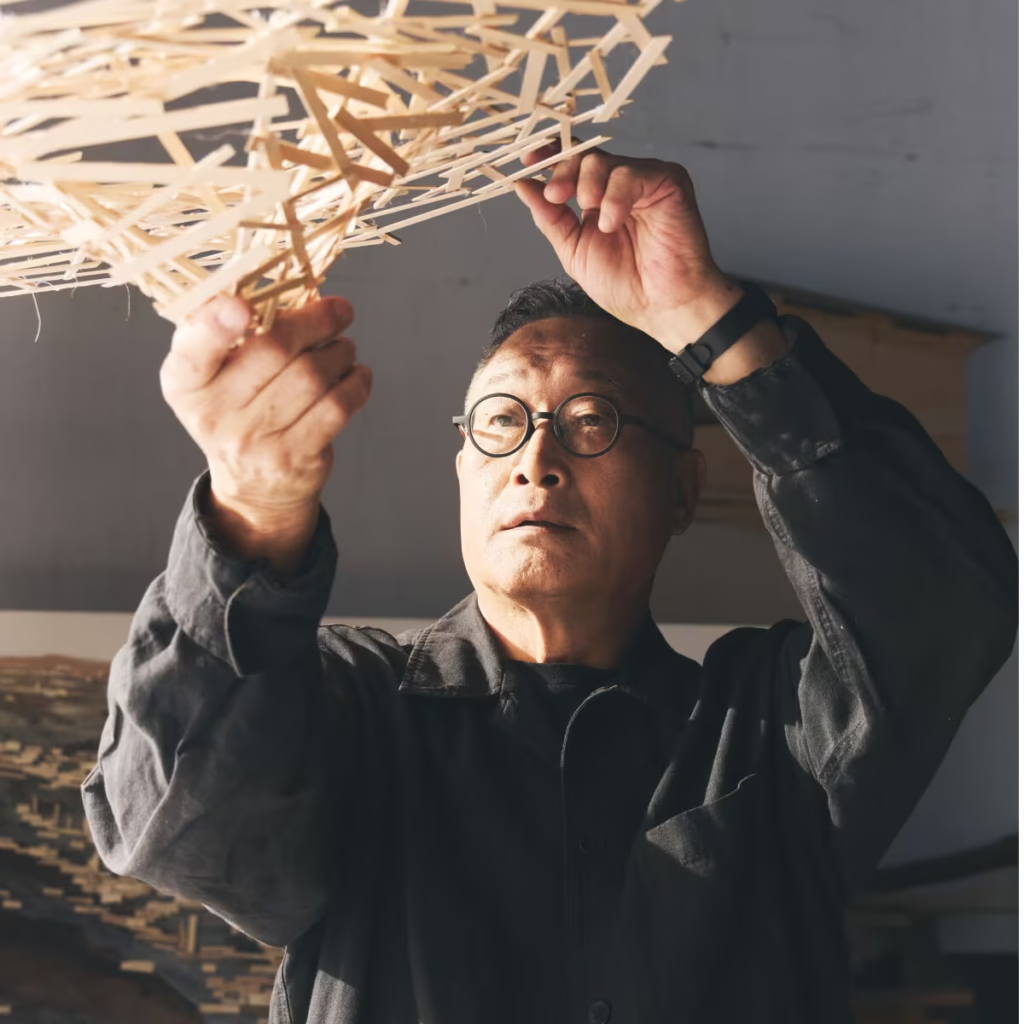
Kawamata is known for building with what already exists. Wood, often reclaimed, becomes his primary language, assembled into fragile architectures that feel temporary, almost hesitant. These are not monuments. They are gestures. Structures that seem to ask: how long can anything human-made really last?
His process begins not with construction, but with observation. Light shifting across a surface. Air moving through an open space. The quiet persistence of vegetation. These subtle forces, constantly changing, become the true collaborators in his work. Drawings and models follow, but they are only translations of something already in motion: the environment itself.
At the historic site in Reims, Kawamata introduces a series of in-situ installations, nest-like forms, observatory structures, elevated huts—each positioned to heighten awareness rather than dominate the landscape. They do not frame nature as spectacle; instead, they reposition the viewer within it. You climb, pause, and begin to notice what was always there: the warmth of sunlight, the moisture in the air, the slow drift of clouds.
This is the quiet radicalism of Kawamata’s practice. He does not represent nature, he recalibrates our perception of it.
His structures often appear unstable, even precarious. Built from reused materials, they carry a visible sense of impermanence. But this fragility is intentional. It mirrors a deeper truth that all human constructions exist in negotiation with forces far beyond them (weather, time, decay).
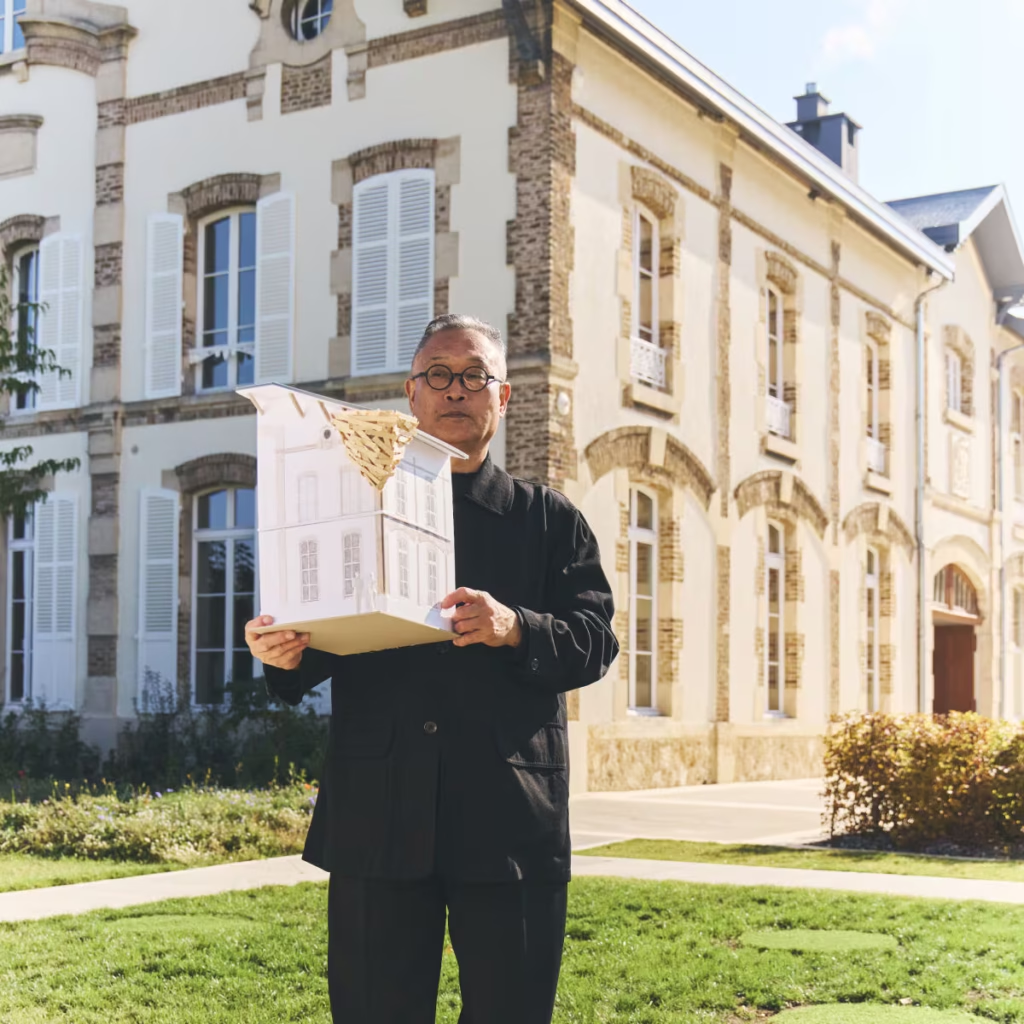
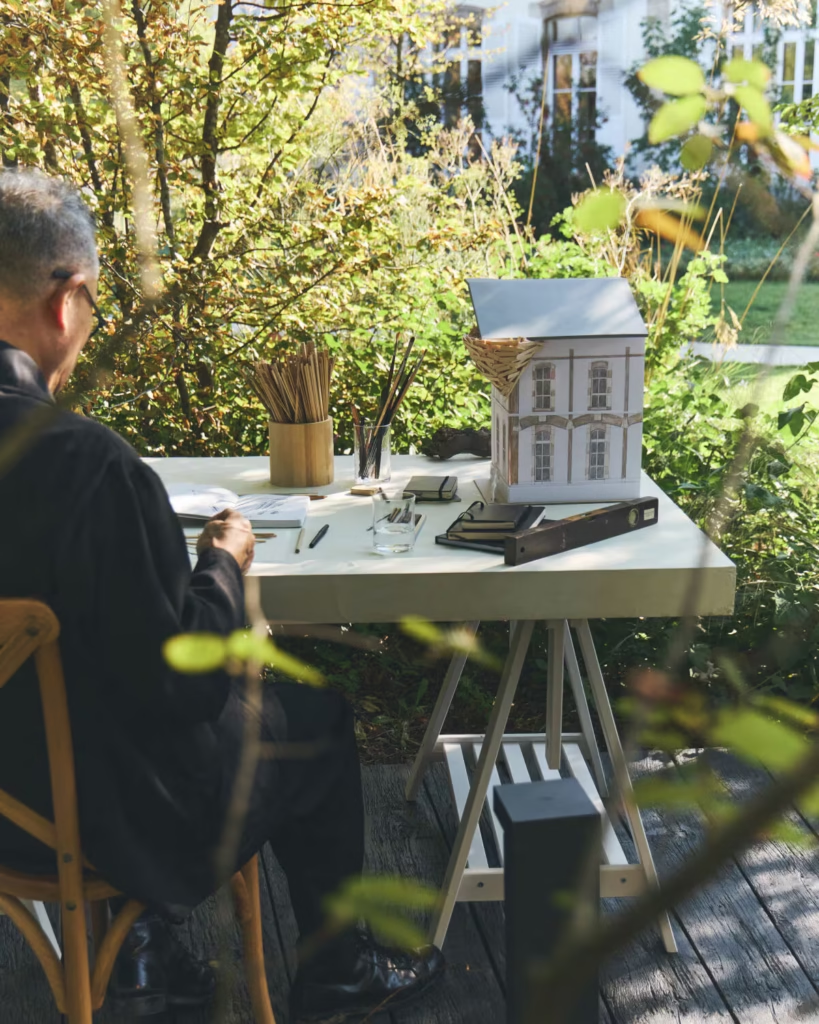
In this way, Kawamata’s work becomes less about architecture and more about ecology. Not ecology as a concept, but as an experience. The installations function like temporary habitats, spaces where human presence and natural systems briefly overlap, without hierarchy.
Ultimately, Kawamata invites us to shift perspective. Not to look at nature, but to look with it. To recognize that the wind, the light, the passage of time are not background elements, but active participants.