In the films of Studio Ghibli, nature is never just scenery, it is a presence that breathes, remembers, and quietly shapes every story it touches. From the whispering forests of My Neighbor Totoro to the miniature ecosystems of The Secret World of Arrietty, and the silent, tide-bound rhythms of The Red Turtle, these films invite us into worlds where humans are not at the center, but simply one part of a larger, living system. Guided by creators like Hayao Miyazaki, Ghibli’s storytelling reveals a deeper truth, it is to understand these worlds, we must first learn how to see and listen to the natural one we already inhabit.
Where the Wind Still Speaks: Nature in Ghibli Films
There is something unmistakably alive in a Studio Ghibli film. Not just the characters, not just the worlds, but the air itself. Grass sways with intention. Rivers seem to remember. Even silence carries weight. In the cinematic language shaped by Hayao Miyazaki and his collaborators, nature is never a backdrop, a force, and often, a quiet judge of human behavior. Ghibli films do not simply depict nature; they listen to it.
The Living Landscape
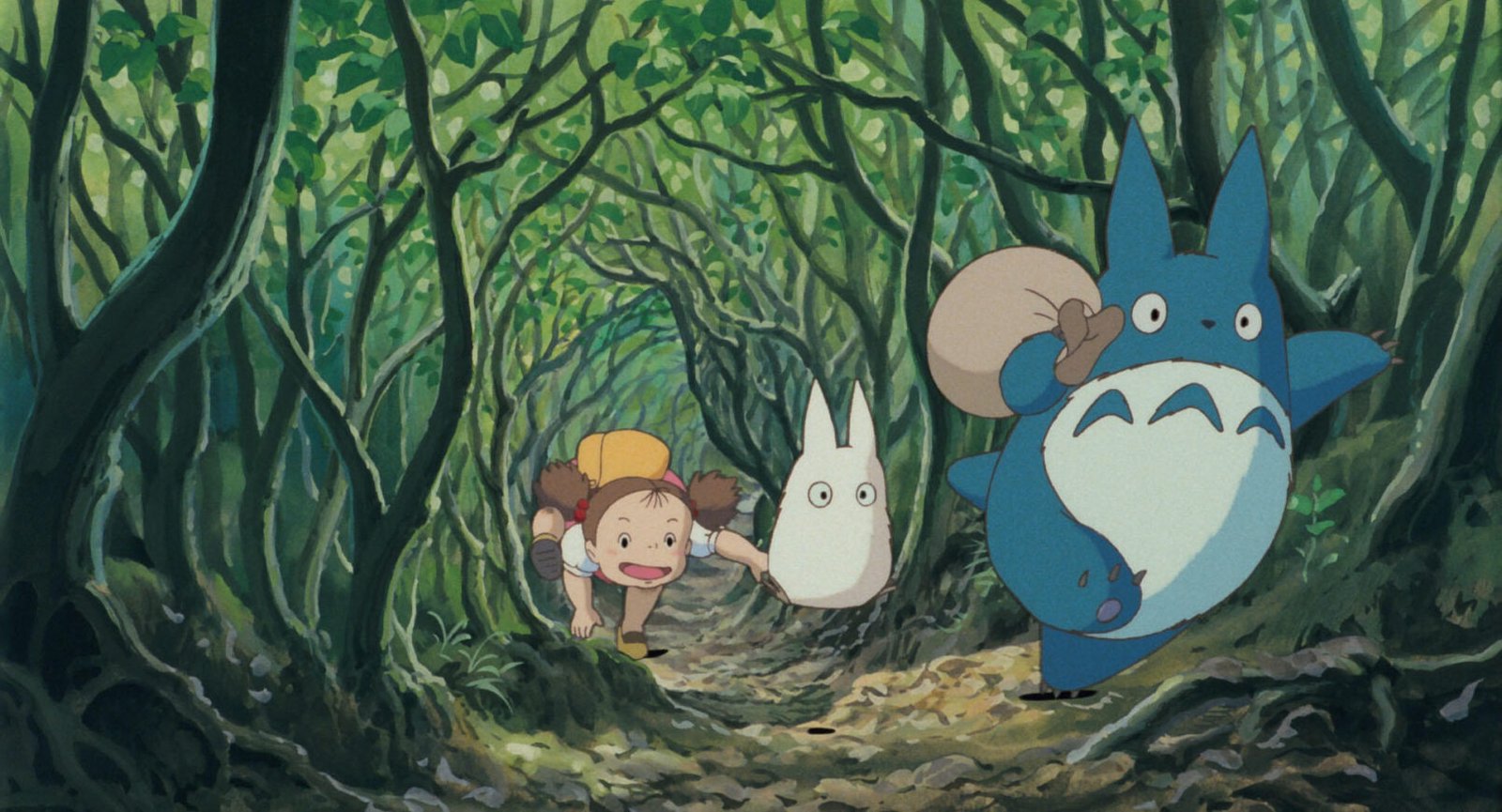
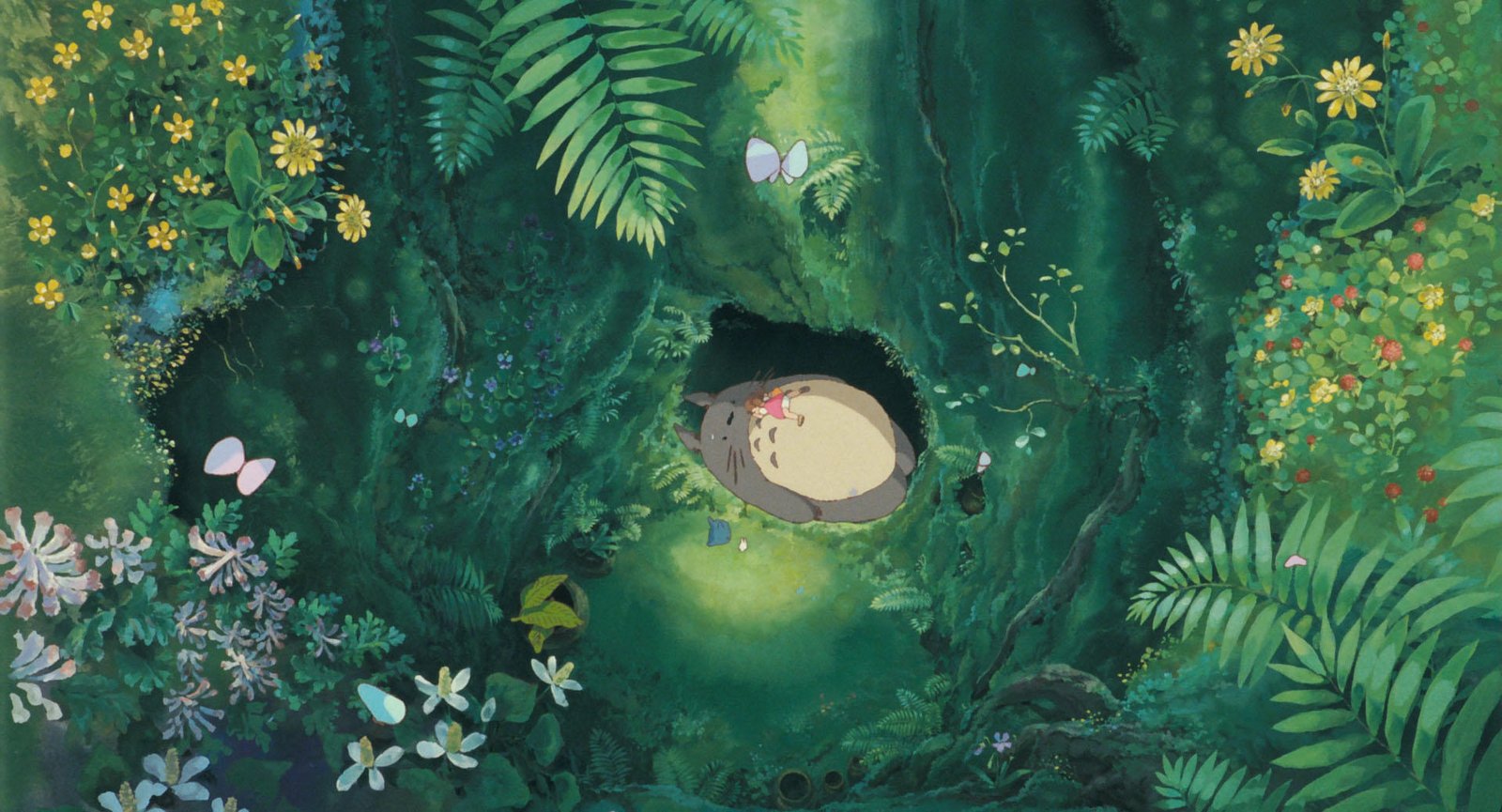
In My Neighbor Totoro, the forest is not just a setting for childhood wonder—it breathes alongside the characters. Towering camphor trees house spirits, wind rustles like a whispering companion, and rain transforms into a moment of still intimacy. Nature here is gentle, mysterious, and deeply comforting, something to be trusted, not controlled.
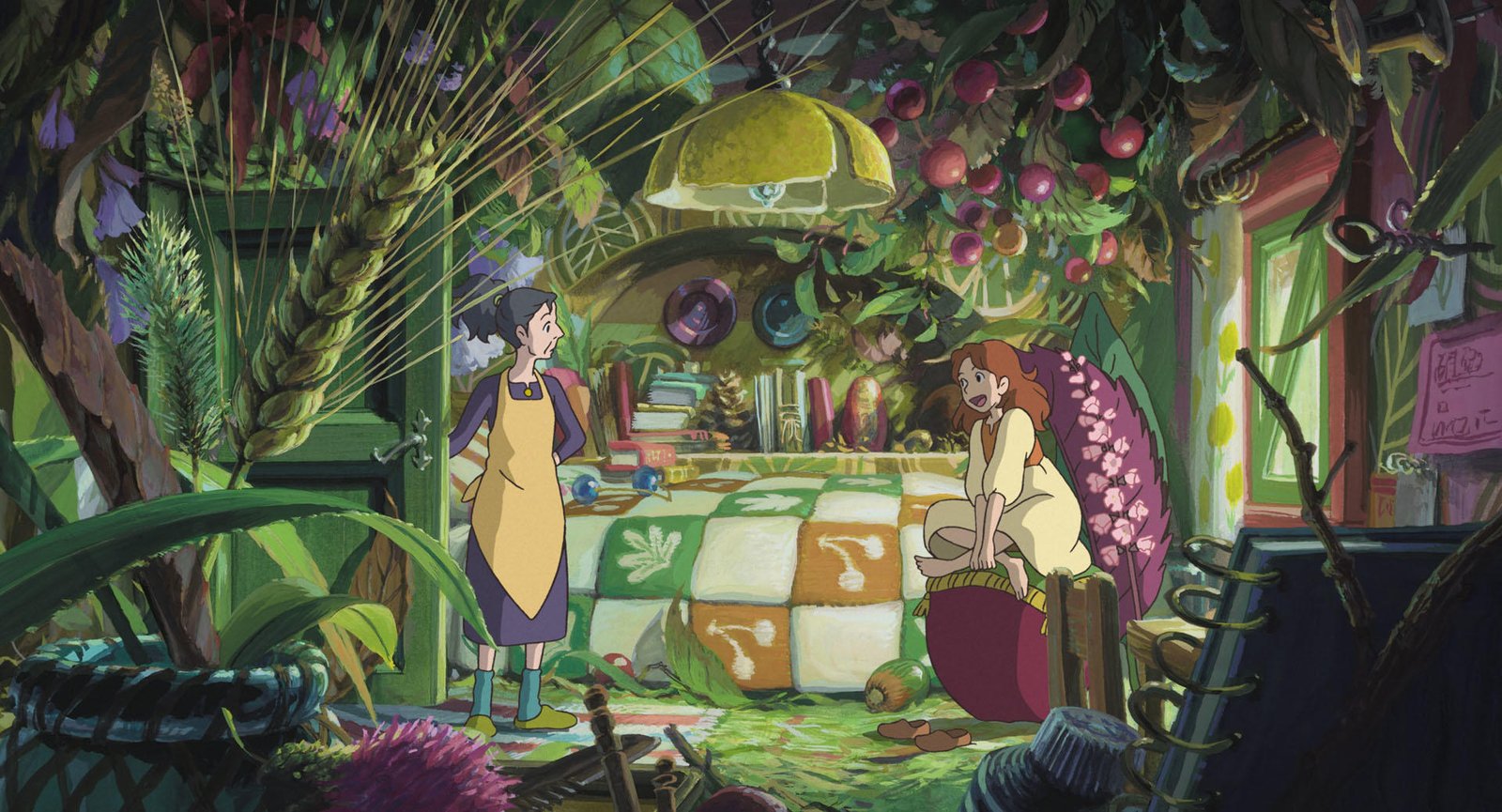
A similar intimacy appears in The Secret World of Arrietty, though scaled down to a hidden, miniature world. Beneath the floorboards of a human home, tiny “Borrowers” survive by taking only what they need. Leaves become umbrellas, sugar cubes become treasure, and the natural world, feels vast and almost overwhelming.
Here, nature is not grand but immediate. Every blade of grass becomes a structure, every drop of water a force. The film quietly suggests a different kind of environmental ethic: one rooted in restraint. To live well is not to take more, but to take just enough.
Harmony and Rupture
But Ghibli’s nature is not always kind.
In Princess Mononoke, the forest is wounded, angry, and fighting back. Gods bleed. Animals speak with bitterness. The line between human progress and ecological destruction is drawn sharply, yet never simplistically. Lady Eboshi’s ironworks represent both innovation and harm, providing refuge for outcasts while simultaneously tearing apart the natural world.
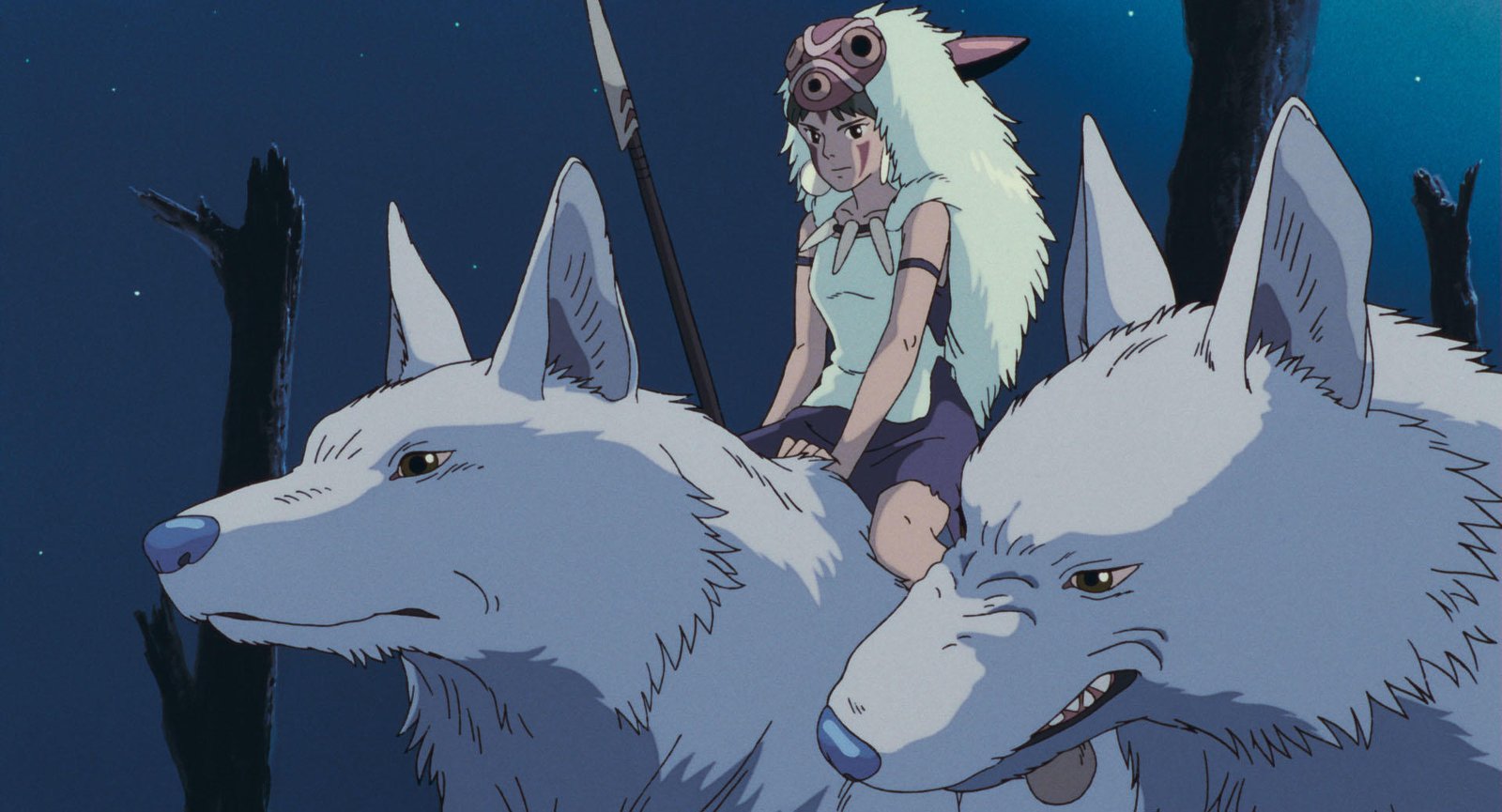
Here, nature is not passive. It resists.
The film refuses easy morality. Humans are not villains, nor is nature purely innocent. Instead, the story lives in tension, the kind we recognize in our own world. Progress demands resources. Survival creates conflict. And balance, once broken, is not easily restored.
Ruins in the Sky, Roots in the Earth
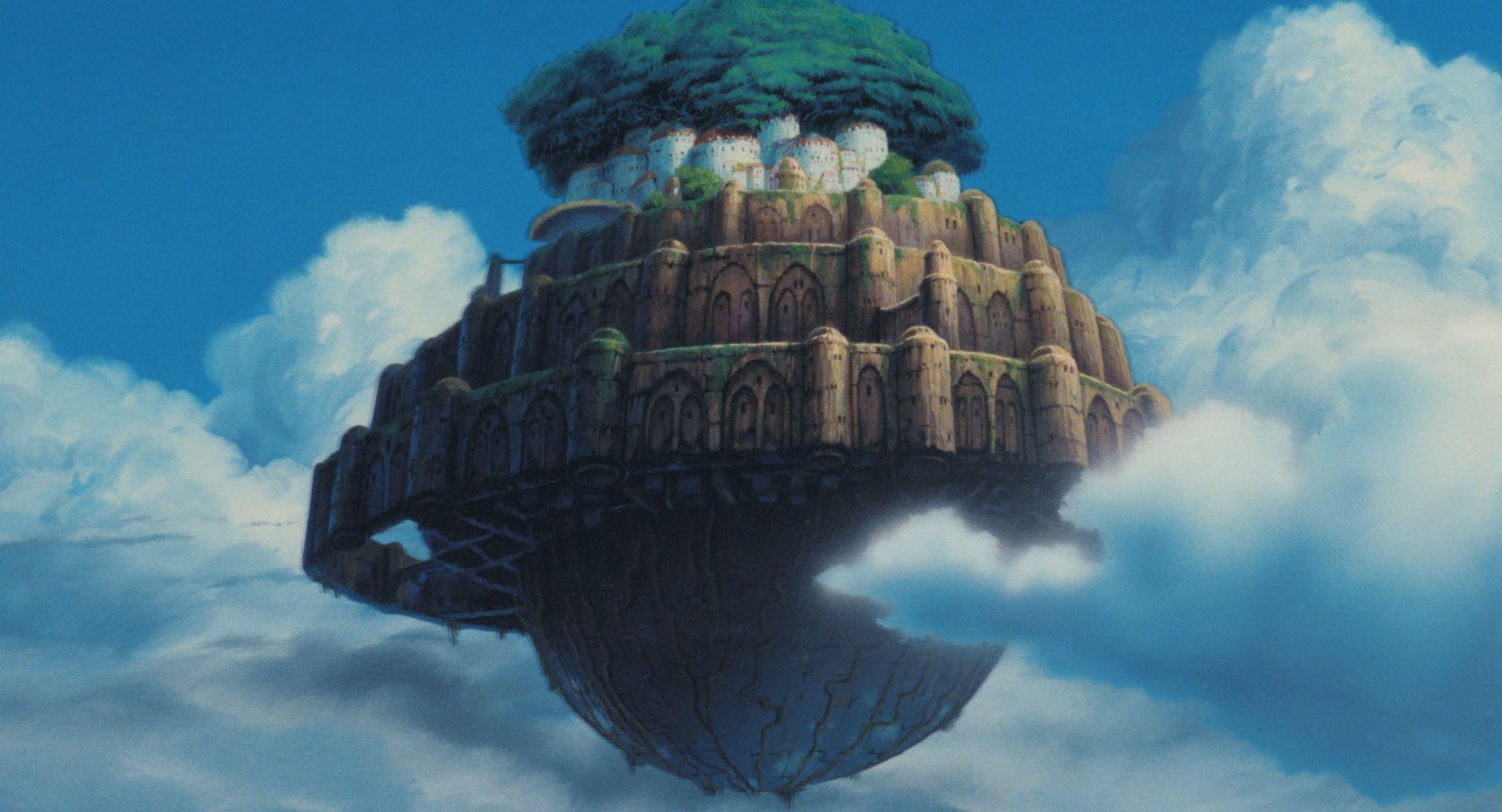
In Castle in the Sky, nature exists as both memory and reclamation. The legendary floating city of Laputa, a symbol of technological brilliance, has been abandoned, left to drift above the clouds. Over time, vines crawl across its walls, trees grow through its ruins, and silence replaces the noise of industry. What was once controlled has been gently, persistently taken back.
At the heart of this world is Sheeta, whose connection to Laputa is not one of domination, but of understanding. The film contrasts two desires: to possess nature as power, or to coexist with it as something sacred. Laputa itself becomes a quiet argument, the idea that no matter how advanced human creation becomes, nature will outlast it, softening even the hardest structures with time.
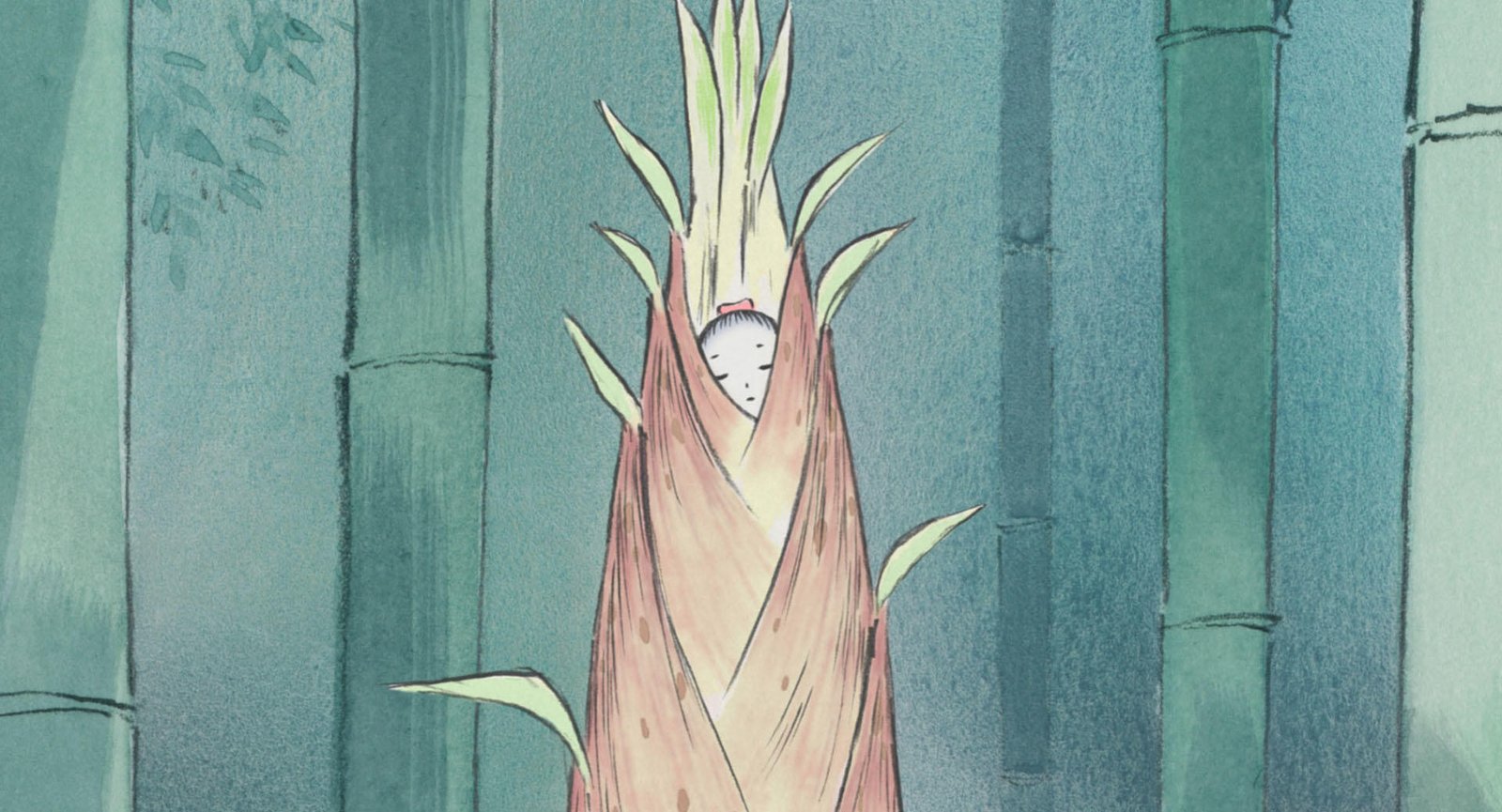
Where Castle in the Sky looks upward to forgotten civilizations, The Tale of the Princess Kaguya turns inward, grounding its story in the rhythms of the earth. Found as a tiny girl inside a glowing bamboo stalk, Princess Kaguya grows up in deep connection with the natural world—running through fields, feeling the seasons shift, and living freely within a rural landscape.
Yet as she is pulled into the rigid expectations of court life, that connection begins to fade. Nature, once immediate and joyful, becomes distant—something remembered rather than lived. The film’s watercolor-like animation mirrors this shift: soft, fluid, and organic in the countryside, then increasingly restrained within the palace walls.
Together, these two films offer a quiet reflection on distance. Castle in the Sky shows nature reclaiming what humanity leaves behind, while The Tale of Princess Kaguya reveals what is lost when we choose to leave nature behind ourselves.
In both, the message lingers gently but unmistakably: whether in ruins overtaken by roots or in a heart longing for open fields, nature is not something we can truly separate from—only something we move closer to, or further away from.
Isolation, Survival, and the Rhythm of Nature
In The Red Turtle, co-produced by Studio Ghibli, nature becomes both companion and constraint. A stranded man on a deserted island learns to live within the rhythms of wind, tide, and season. There is no dialogue, only the sound of waves, the shifting sky, and the quiet passage of time.
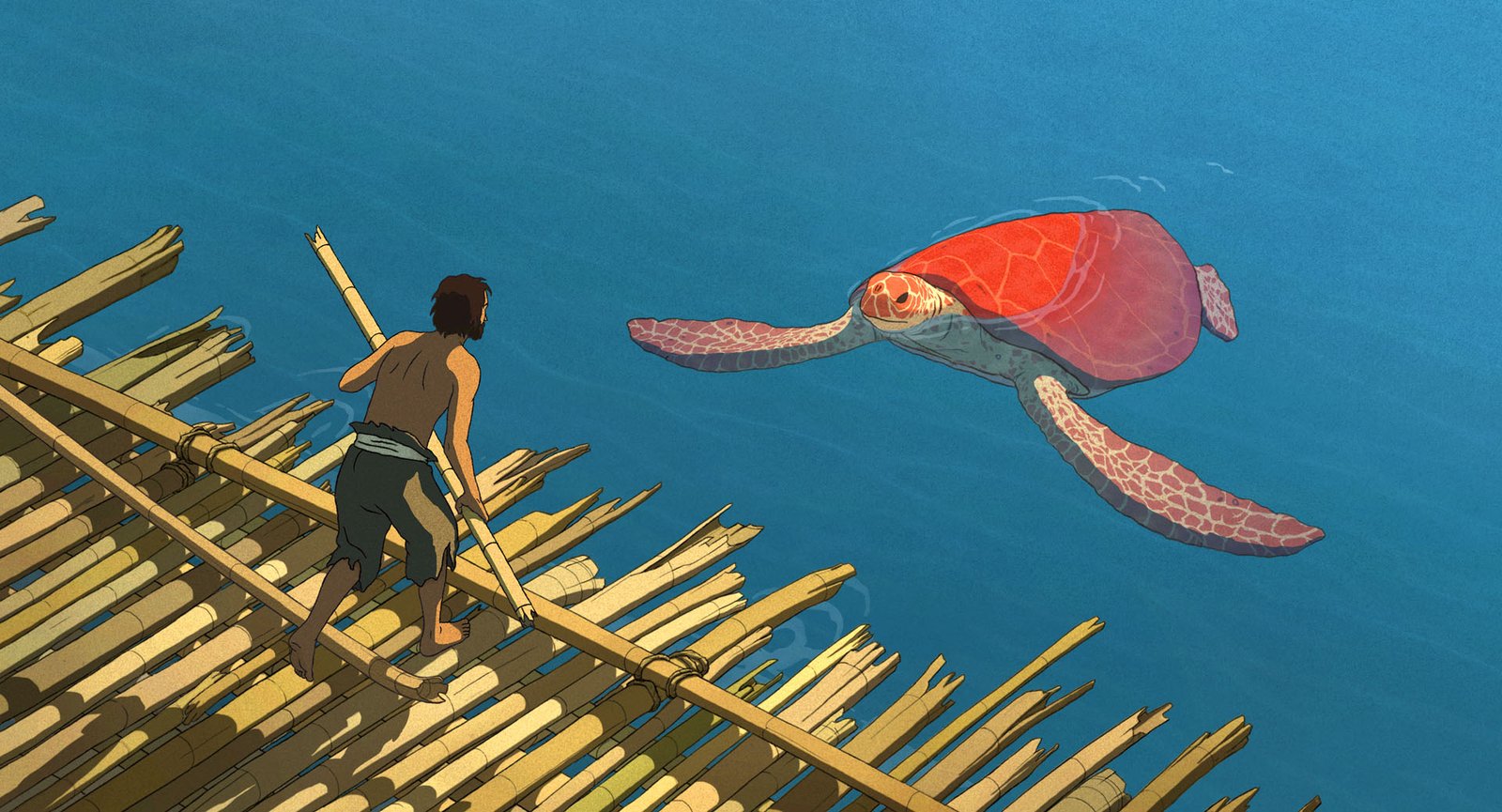
The island is neither enemy nor savior. It simply exists.
What makes The Red Turtle so striking is its acceptance of nature’s indifference. Storms arrive without warning. Life emerges, fades, and transforms. The titular red turtle itself carries a quiet symbolism (part mystery, part myth), blurring the boundary between the natural and the spiritual.
Unlike other Ghibli films that dramatize conflict, this one leans into stillness. It suggests that understanding nature is not about control or even harmony, but acceptance.
Wind, Sky, and the In-Between
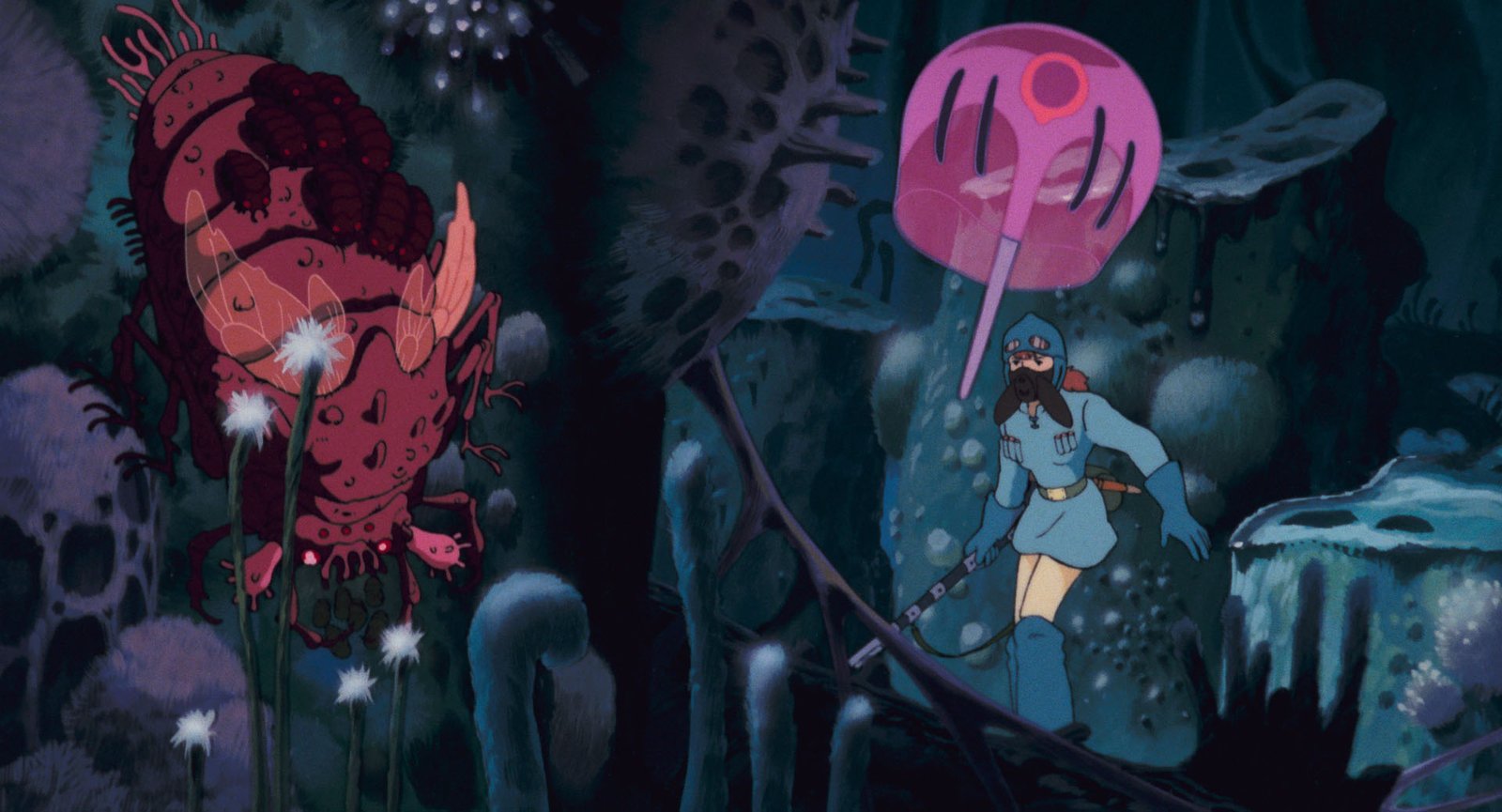
Even in films less explicitly about ecology, such as Nausicaä of the Valley of the Wind or The Wind Rises, nature remains central, not as scenery, but as a philosophical axis.
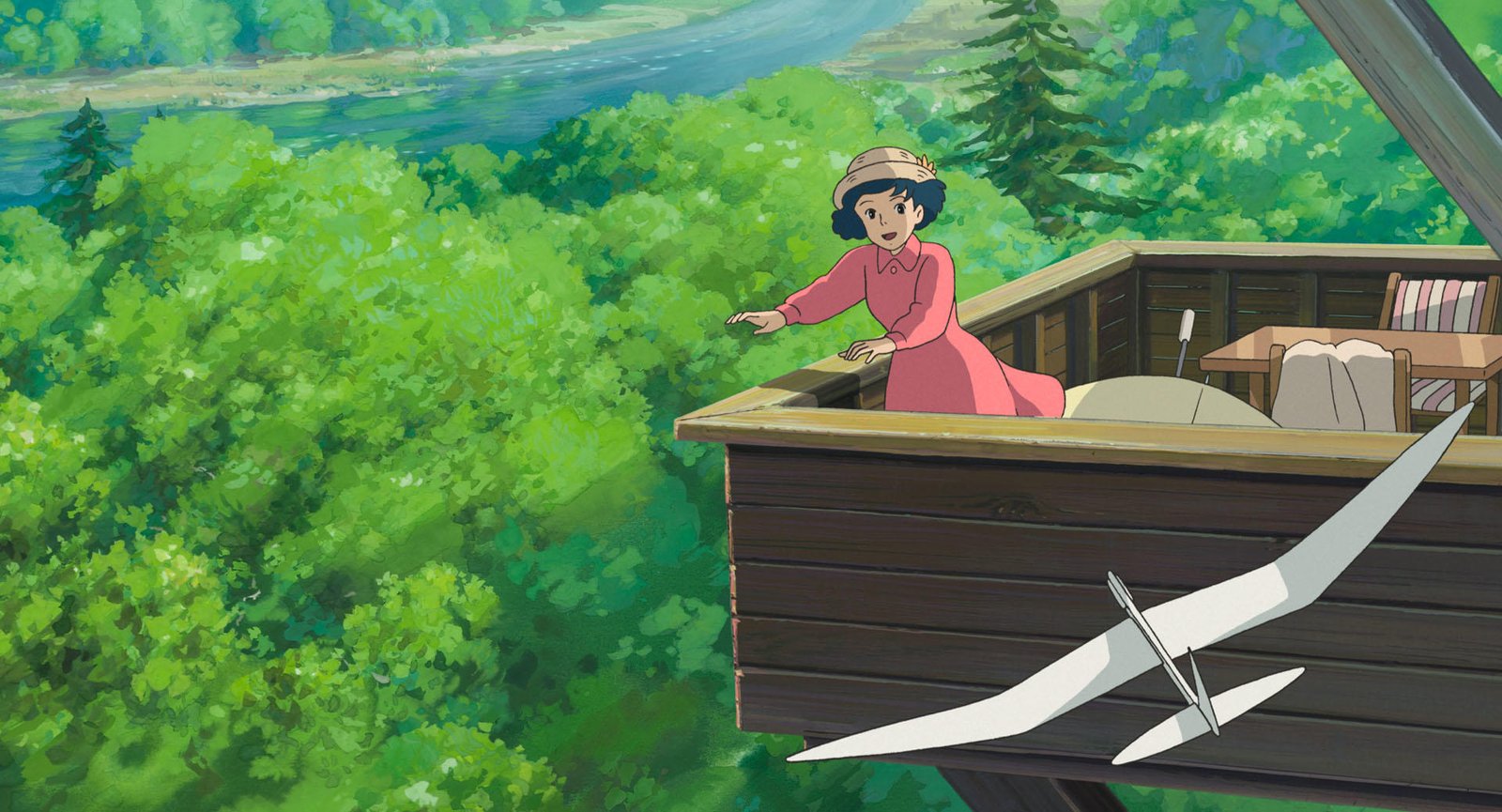
Wind, in particular, recurs as a symbol. It cannot be owned or controlled. It moves freely across borders, carrying both life and destruction. In Nausicaä, it guides and protects, in The Wind Rises, it becomes tied to ambition, dreams, and unintended consequences.
Ghibli’s skies are rarely empty. They are spaces of reflection, where human aspiration meets the vast indifference of the natural world.
A Different Kind of Environmentalism
What makes Ghibli’s treatment of nature so enduring is its refusal to preach. These films do not demand action through urgency or fear. Instead, they cultivate awareness through feeling.
You notice the way water ripples. The way insects hum in the background. The way a character pauses, not to act, but simply to exist within a landscape. This is environmentalism not as instruction, but as intimacy.
Returning to a Lost Sensibility
In a world defined by speed and extraction, Ghibli films offer something rare: attention. They slow us down. They ask us to notice—the sound of insects, the weight of air before rain, the fragile balance of coexistence.
Whether through the hidden lives beneath our floors or the vast solitude of an island, these stories remind us of a simple truth: Nature is not separate from us. It is the condition of our existence. And perhaps that is why, after watching a Ghibli film, the world feels slightly altered. The wind seems more deliberate. The trees more present. The silence more full.