To begin
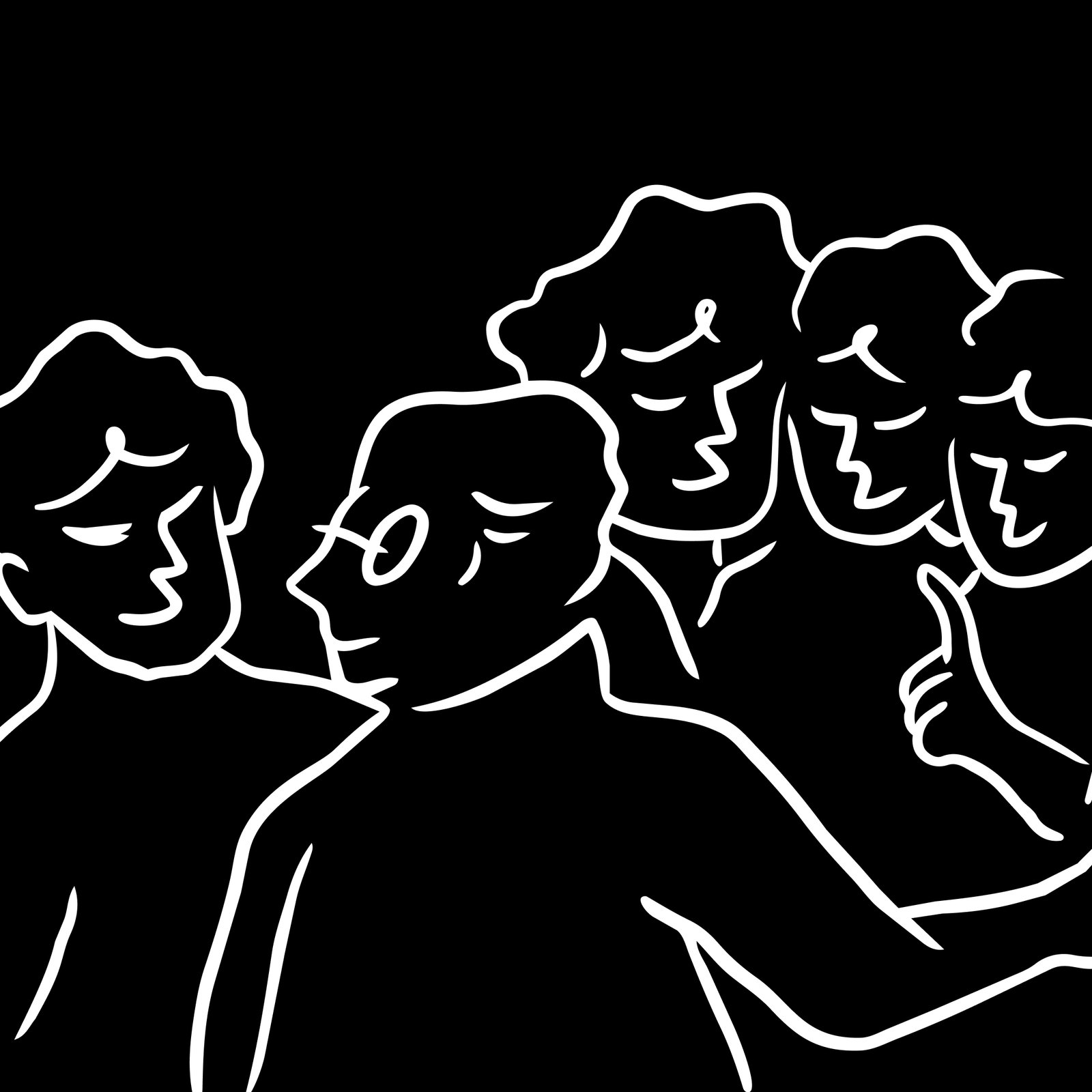
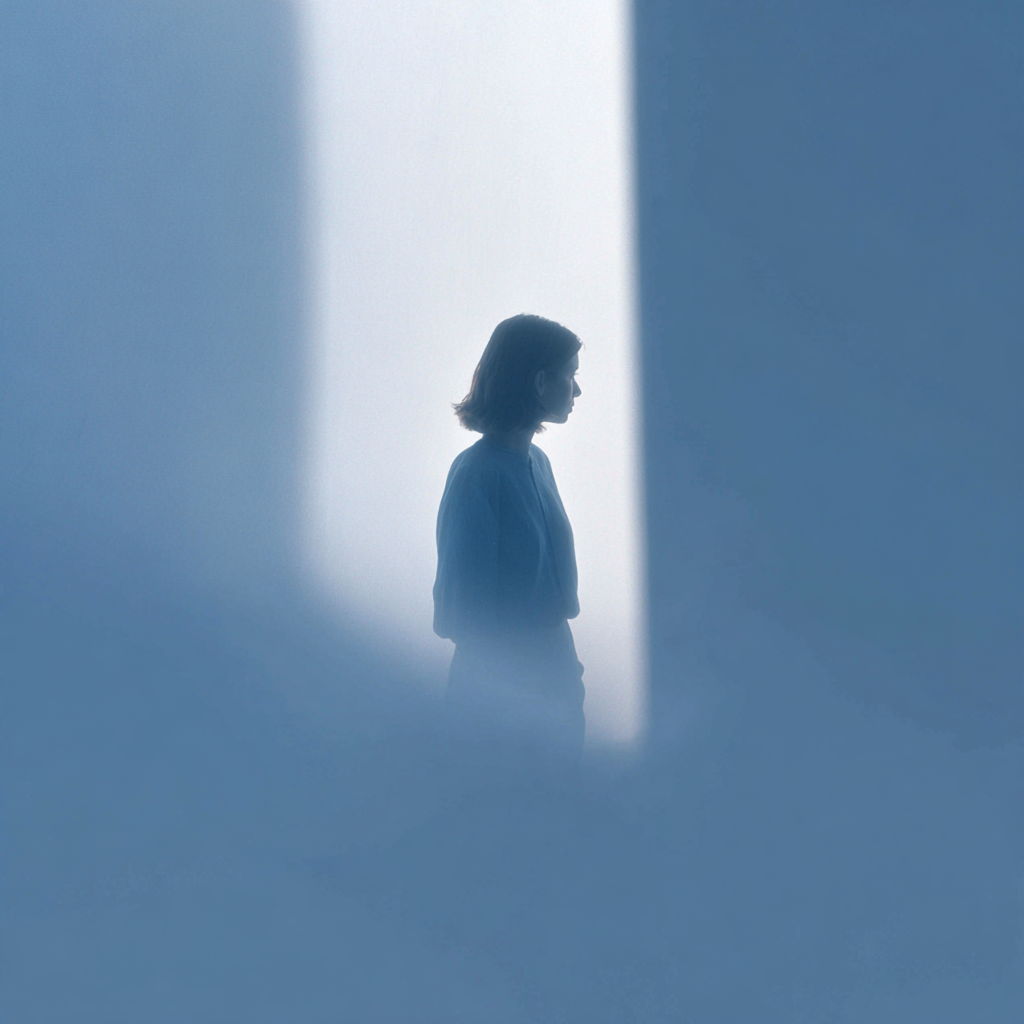
Among all the living creatures on Earth, we are perhaps the only ones who pause to wonder about our own existence. The question itself, quiet, persistent, and endlessly returning, it reveals something essential about us, we do not simply live in the world, we seek to understand our place within it.
Our humanity begins with the body and the mind. The structure of the human brain allows for language, imagination, and abstract thought, abilities that give rise to the worlds we build through stories, science, art, and culture. From a biological foundation emerges a capacity for creativity and reflection that transforms simple survival into something richer, a life filled with meaning, interpretation, and possibility.
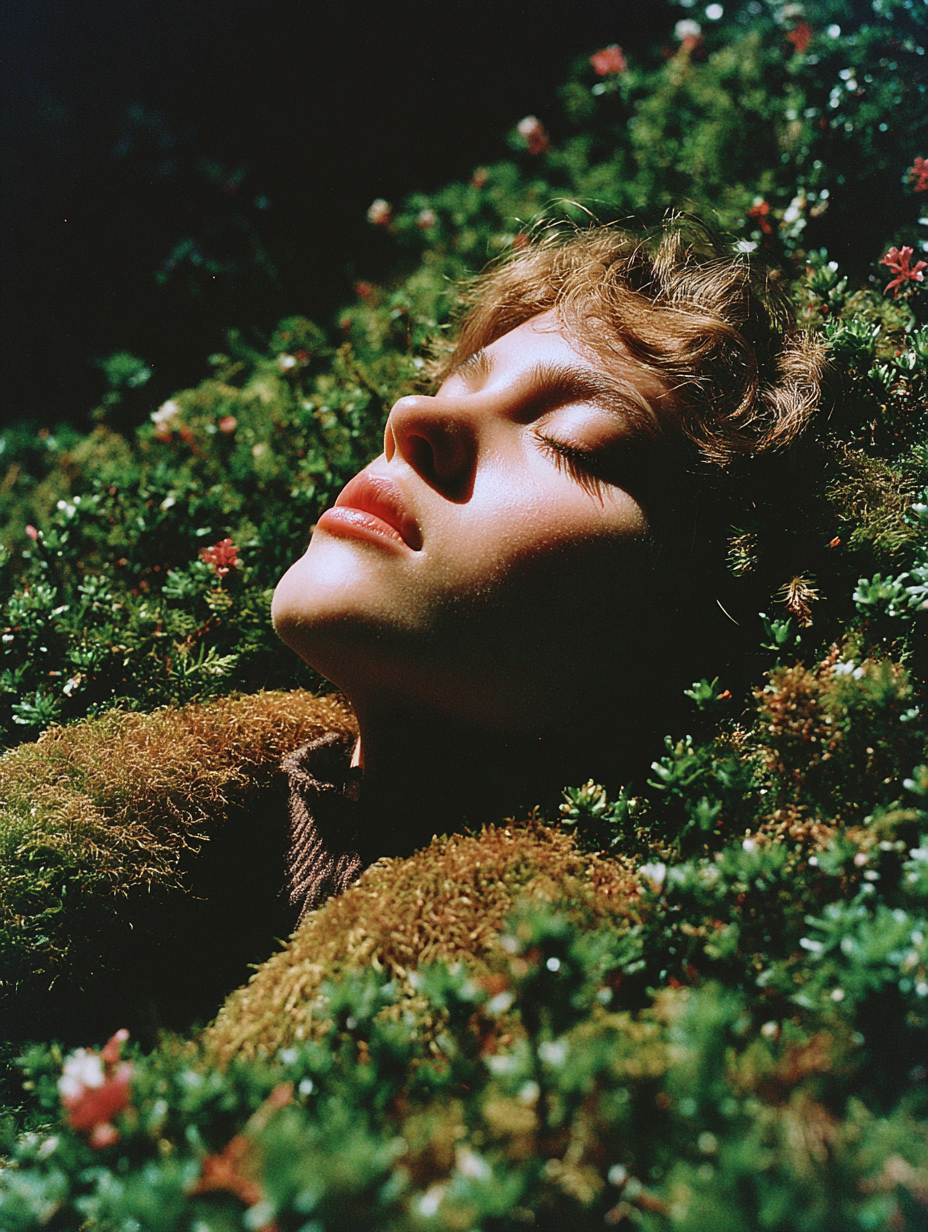
But being human isn’t just about biology. Our imagination allows us to create what does not yet exist, whether in the form of art, inventions, or stories. Our emotions are deep and complex, they help us build meaningful connections through love and empathy. It is also psychological. At some moment in early life, a child begins to recognize themselves as a distinct being. Researchers often observe this shift through the Mirror Test, when a child touches a mark on their own face after seeing it in a reflection. It is a small act, almost invisible in its simplicity, but it signals a profound awakening, the realization that the self exists as something separate from the world. From that moment onward, consciousness begins to fold inward. We remember, imagine, regret, and hope. We construct a sense of identity that stretches through time.
But the realization of being human does not occur in isolation. It unfolds within relationships. From the beginning, our understanding of ourselves is shaped by language, conversation, and shared meaning. The psychologist Lev Vygotsky argued that the human mind develops through social interaction, that our thoughts are formed within dialogue with others. Through family, culture, and community we learn that we are not only individuals but members of a larger human story. We inherit traditions, values, and knowledge from those who came before us, and we pass them forward to those who will come after.
Humans are inherently social beings.
We build cultures, traditions, and symbolic systems that connect us to one another. Knowledge is passed down through generations, allowing us to expand and evolve instead of starting over each time. This ability to share and build upon collective memory has made possible the growth of civilizations, history, and society as we know it.
With time, human consciousness deepens further. We begin to reflect not only on who we are, but on what it means to exist at all. Philosophers have long recognized this peculiar reflex of the human mind. The thinker René Descartes captured it in a famous phrase: “I think, therefore I am.” In that simple statement lies a profound insight, the recognition that awareness itself confirms our existence. To be human is to possess a mind capable of questioning itself, of turning inward and asking what lies behind thought, memory, and perception. Unlike other creatures, we’re always trying to understand what’s right or wrong, good and bad.
We are seekers of meaning and purpose, striving to understand our existence and our connection to something greater than ourselves.
Our humanity is not only about people and relationships it also shows in how we interact with the Earth and how much we can transform it. We build cities, alter landscapes, and influence ecosystems in ways that ripple across generations. This capacity places us in a delicate position within the web of life. We are both participants in nature and powerful agents within it. To be human today is not only to think and create, but also to recognize the responsibility that comes with such influence.
This search for meaning has also been reflected in the stories we tell. In Her, a relationship between a human and an artificial intelligence raises questions about love, connection, and what it means to feel something real. And in The Tree of Life, human life is placed within the vast scale of the universe, reminding us that our search for meaning exists alongside something much larger than ourselves. These stories do not give answers they reflect the same questions we carry within us.
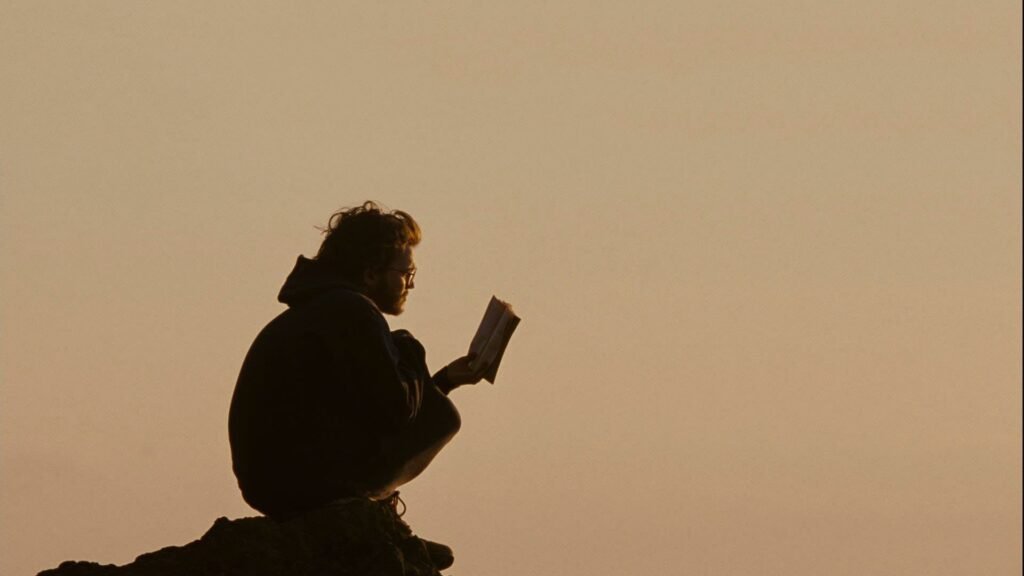
But humanity is not only about reflection it is also about struggle, resilience, and hope. Forrest Gump reveals how a simple life, lived with sincerity and kindness, can carry unexpected meaning. In Into the Wild, the search for freedom and truth leads one person away from society and back to the realization that connection is essential. Each of these stories reflects a different part of what it means to be human the need to endure, to hope, to belong.
In the end, being human isn’t just one trait it comes from a combination of many things. Biology gives us our bodies, consciousness gives us awareness, society gives us language and culture, reflection gives us meaning, and our relationship with the Earth gives us responsibility. Humanity is not merely a condition of existence, it is an ongoing process of becoming.
Perhaps this is the most human thing of all, that we continue to ask the question.