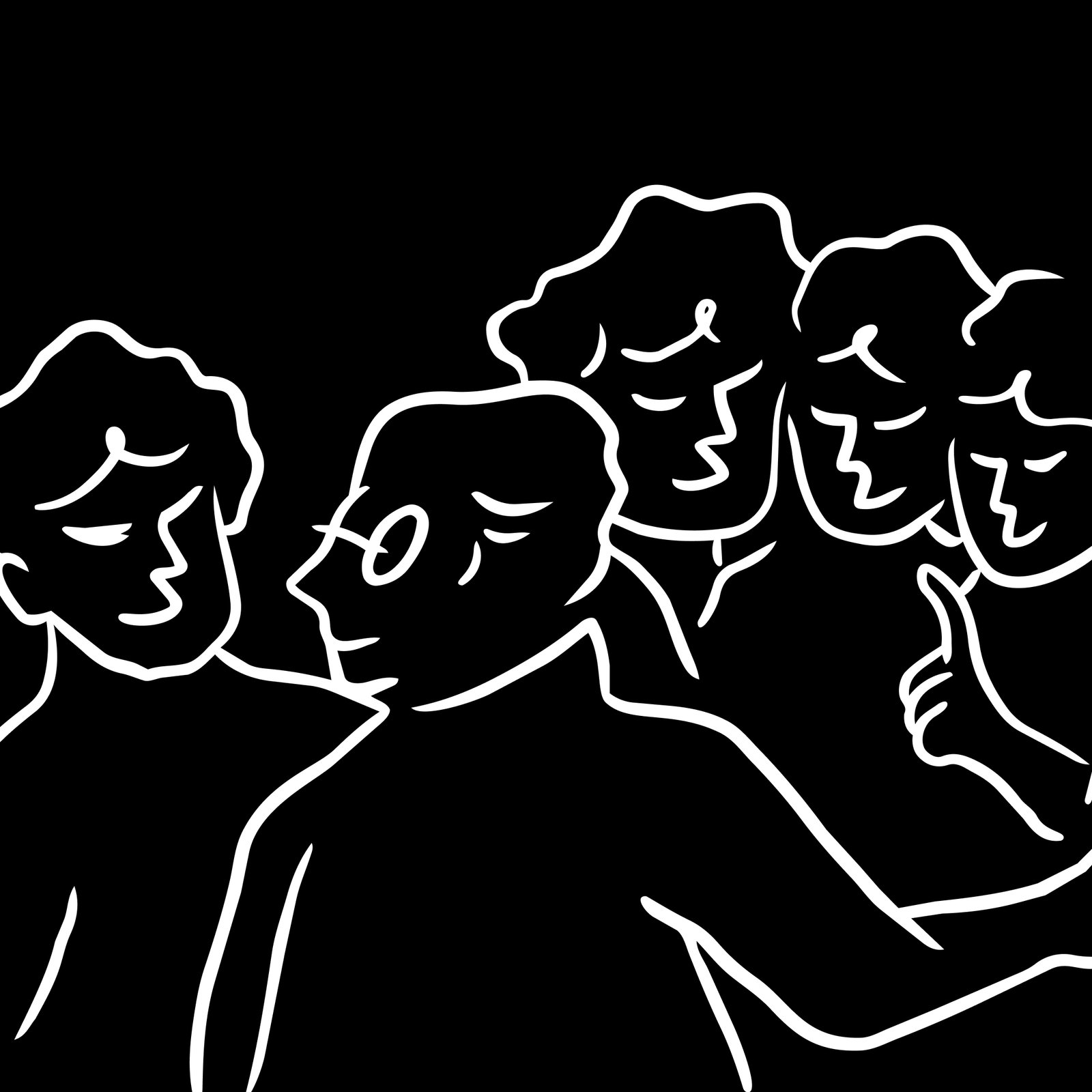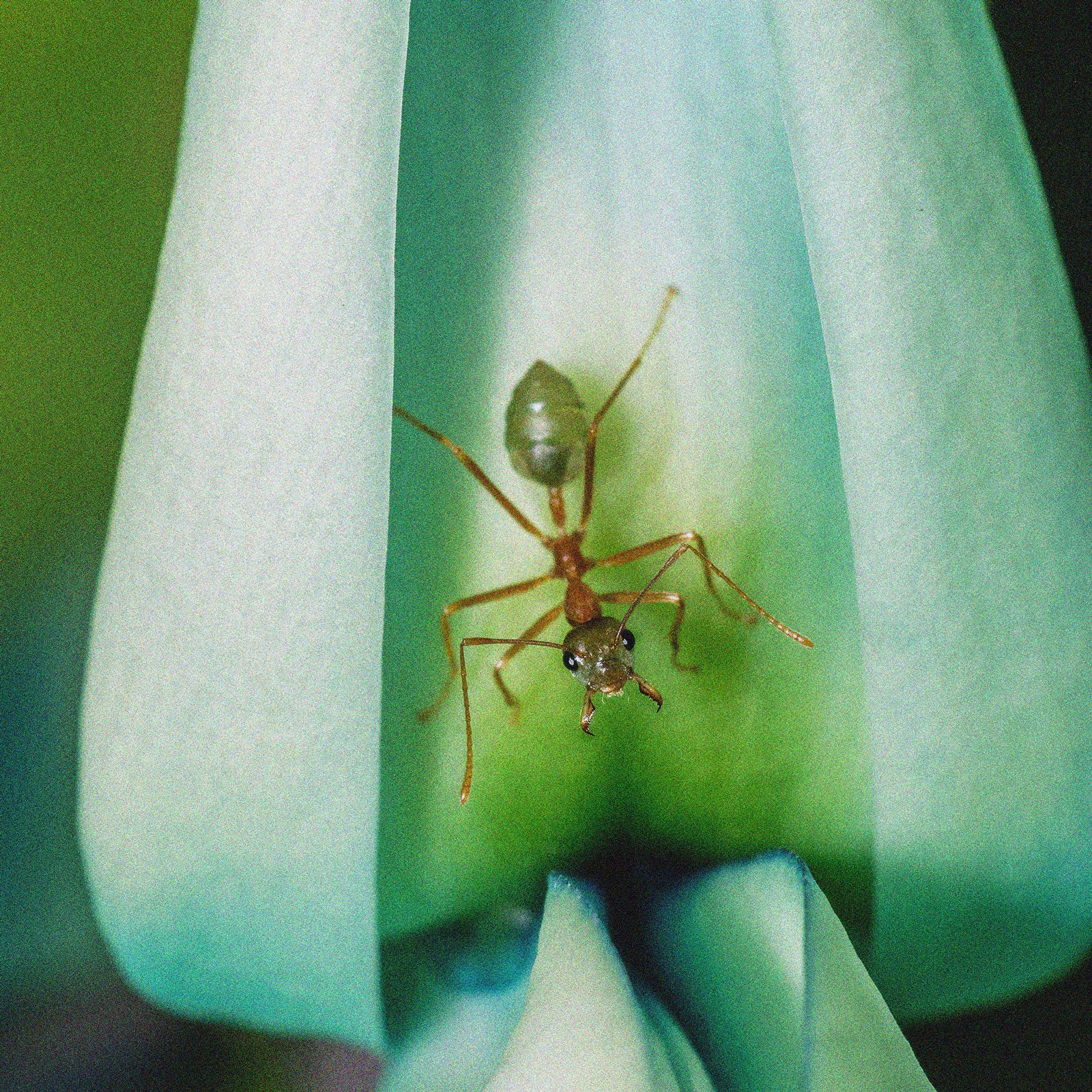
There is something quietly profound about the way humans and ants share the same ground, yet live in entirely different scales of meaning. We build cities, they build colonies. We draft policies, they follow pheromone trails. And yet, when observed closely, the distance between us begins to collapse.
In the field of Sociobiology, researchers like E. O. Wilson have long argued that ants offer a mirror: an ancient, instinctive version of collective life. His studies on eusocial insects reveal systems without central authority, where order emerges not from command, but from countless small interactions. This idea aligns with what complexity scientists call Emergence: the whole becomes more than the sum of its parts.
Ants do not “decide” in the way humans do. And yet, as shown in research on swarm intelligence, colonies solve problems, finding the shortest path to food, reallocating labor during crisis, even “voting” on new nest sites. Scientists often compare this to human-designed algorithms like Ant Colony Optimization, where digital “ants” mimic real ones to solve complex computational problems. In this strange loop, we study ants to understand systems, then use those systems to better organize ourselves.
But the relationship is not purely intellectual, it is ecological, almost poetic. Ants reshape the soil, disperse seeds, and regulate other insect populations. In many ecosystems, they are engineers of the unseen. Humans, meanwhile, alter landscapes at a scale ants never could. Yet both species, in their own ways, are architects of environment. The difference lies in tempo and intention.
There’s a quiet tension here. Some environmental thinkers say that humans, unlike ants, have drifted away from nature’s balance. But others see it differently, they argue that we’re just another kind of colony: less coordinated, more self-aware, yet still connected through systems of exchange, work, and survival. In that sense, ants aren’t beneath us, but alongside us, another form of collective intelligence.
Poets have sensed this long before scientists named it. In The Life of the Ant, Maurice Maeterlinck writes of ants as “a civilization without noise,” a world where purpose flows silently through every movement. The line lingers because it feels uncomfortably close to us. Strip away language, ego, and spectacle—what remains of human life might not look so different.
Perhaps the relationship between humans and ants is not one of hierarchy, but of reflection. They show us what coordination looks like without consciousness; we show what happens when awareness enters the system. Between instinct and intention, between colony and city, there is a shared question:
How does a multitude become one?