There is a particular kind of grief that lives in food and a particular kind of joy, too. In Palestine, these two things have never been separable. To eat from this land is to understand that a fig is never just a fig. It is a lineage. A letter home. A season that arrives without asking permission.
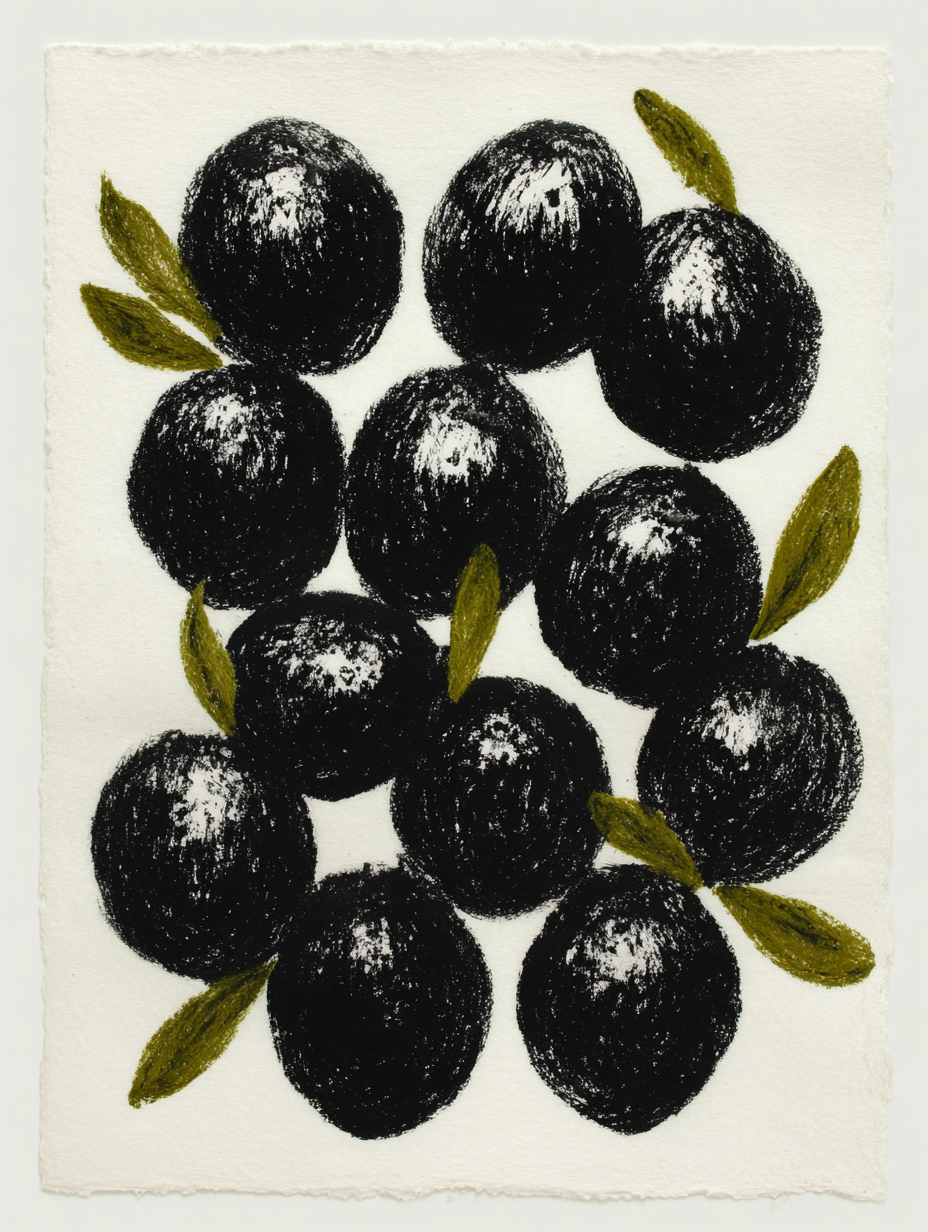
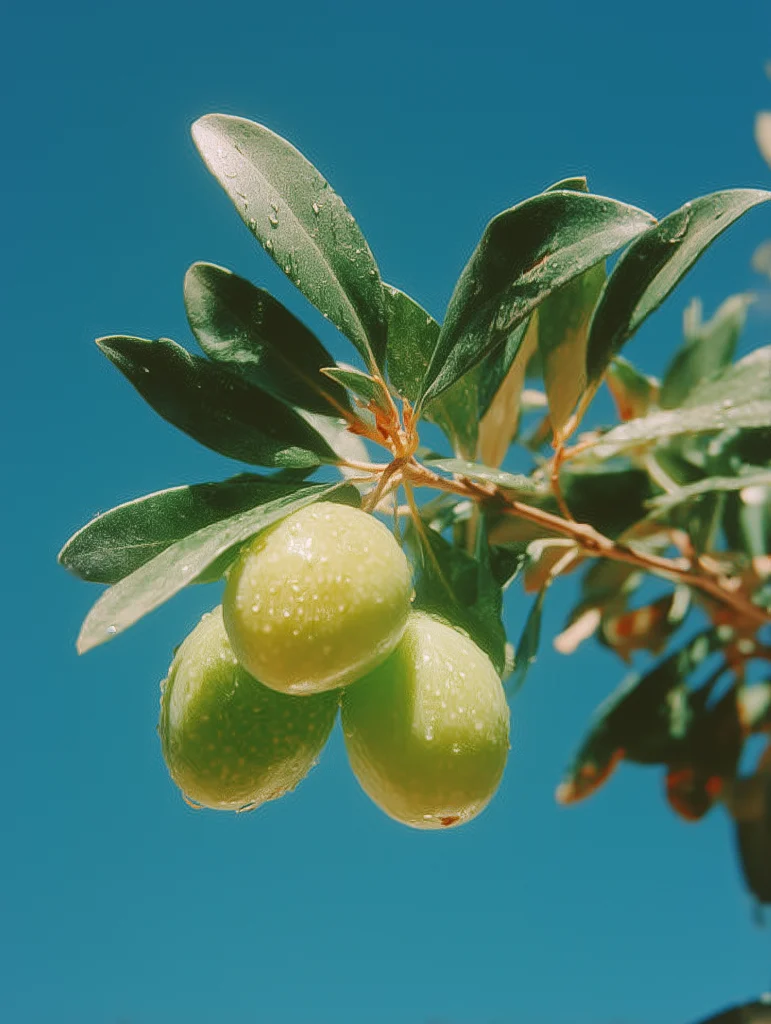
The olive comes first, because it always does. The olive trees of Palestine are among the oldest living things on earth, some of them gnarled, silver-leafed, and wrinkled like the hands of grandmothers who have pressed their fruit for a thousand seasons. The olive oil that pours from a Palestinian press is green-gold and fierce, carrying a bitterness that softens into something warm and grassy on the tongue. In October, whole families descend onto hillsides with tarps and bare hands, beating branches until the small black-green fruit rains down like a kind of prayer. This oil goes into everything, it is drizzled over hummus, pooled in dishes of labneh, soaked into the flatbread beneath musakhan (that magnificent roasted chicken dish gilded with caramelized onions and sweet-sharp sumac). Musakhan is, arguably, Palestine’s most eloquent sentence. Every element speaks.
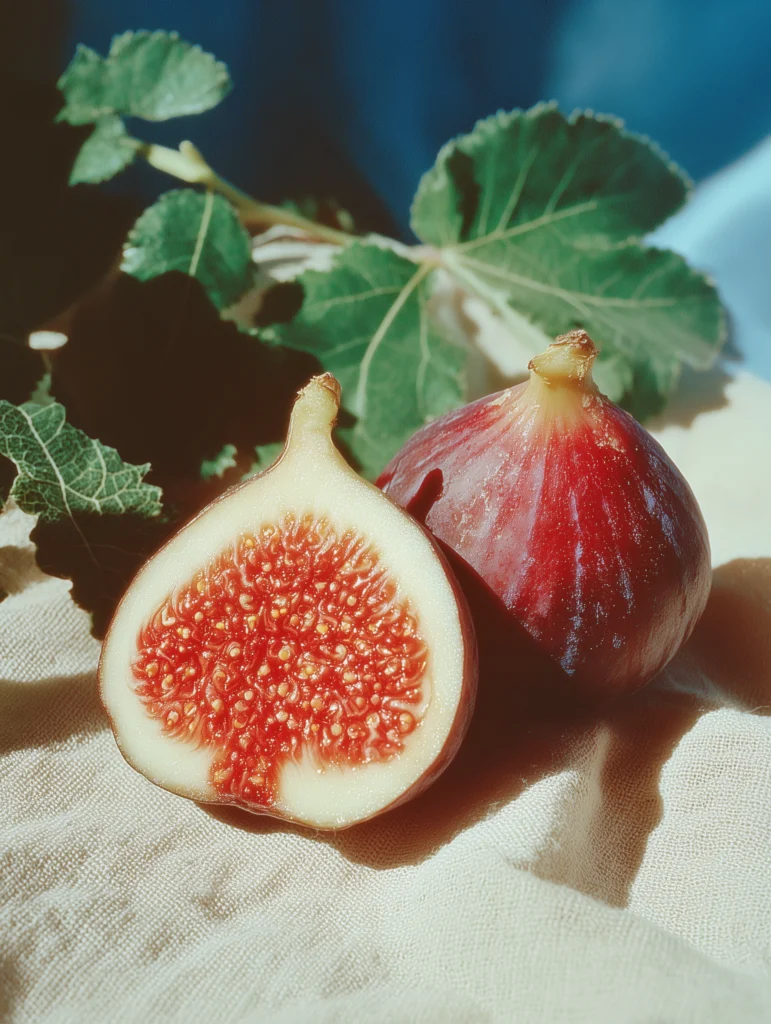
Then there is the fig (teen, in Arabic) which ripens in the August heat to a purple-black sweetness so concentrated it borders on wine. Palestinian figs do not travel well, and perhaps that is the point. You must go to them. You must sit beneath the tree, reach up, and pull. The flesh inside is crimson, seeded like a galaxy, and floods the mouth with honey and something faintly smoky from the Mediterranean sun. Dried and pressed into rounds, figs have sustained farmers and shepherds through long winters. Fresh, they need nothing. They are complete.
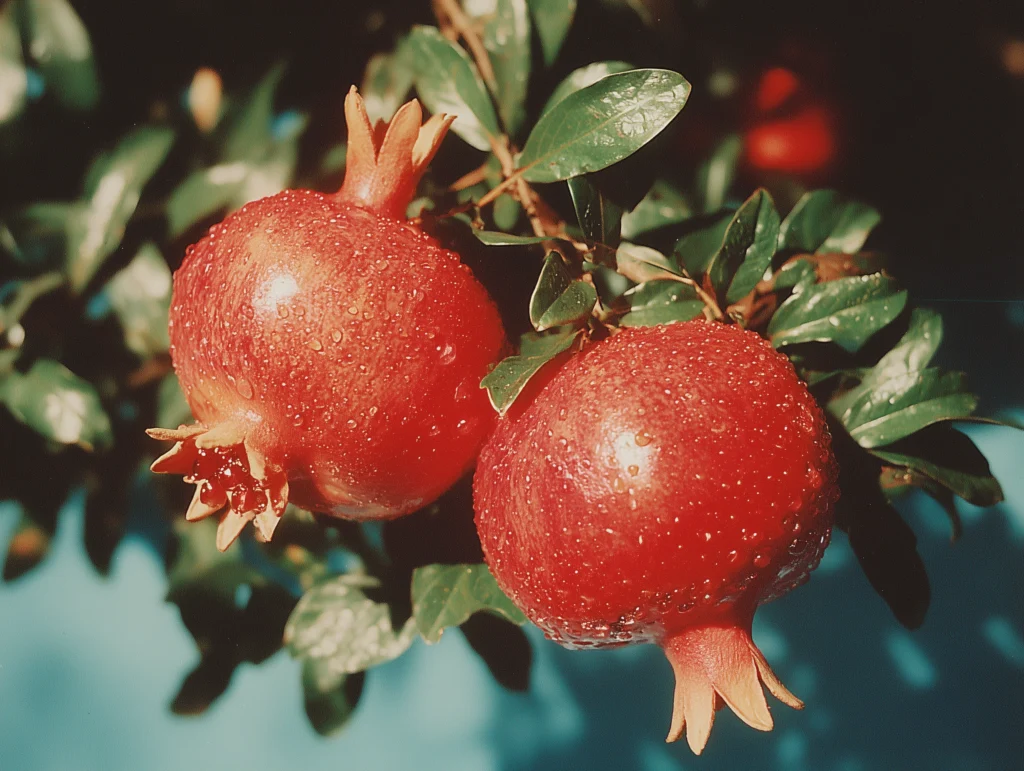
Walk further into the markets of Nablus, Ramallah, or Jericho, and you meet the pomegranate, its thick burgundy skin concealing a cathedral of jeweled seeds, each one tart and bursting. Palestinians crack them open in autumn, scatter the arils over rice dishes and salads, or press them into juice that runs the color of garnets. The pomegranate appears in embroidery, in poetry, in the iconography of return. It is a fruit that insists on itself.
Jericho, one of the oldest cities on earth, gifts the world its dates and its za’atar. The dates grown in the Jordan Valley are plump, amber, and almost caramel in flavor. They are eaten with coffee in the morning, stuffed into pastries, or simply held in the palm like small suns. Za’atar, the wild thyme-and-oregano herb blend mixed with sesame seeds and sumac, is perhaps Palestine’s most democratic food: it belongs to everyone, spread on olive oil-soaked bread eaten at breakfast by schoolchildren and grandparents alike. It smells of the hills themselves.
And there is maqlouba “the upside-down”, a dish that may be the most theatrical act in Palestinian cooking. A pot is packed with spiced rice, fried eggplant, cauliflower, and lamb or chicken, then flipped onto a platter in one brave movement. What emerges, when it works, is a tower of golden, fragrant perfection. When it doesn’t, you laugh and eat it anyway. This is also Palestine, a culture that finds the feast in the turning.
To eat Palestinian food is to understand that this land, its soil, its seasons, its people, has never stopped producing. Olives keep giving. Figs keep ripening. Hands keep pressing, stirring, planting. The table, laid with these fruits and these dishes, is itself a form of testimony: we were here, we are here, and the land still knows our names.