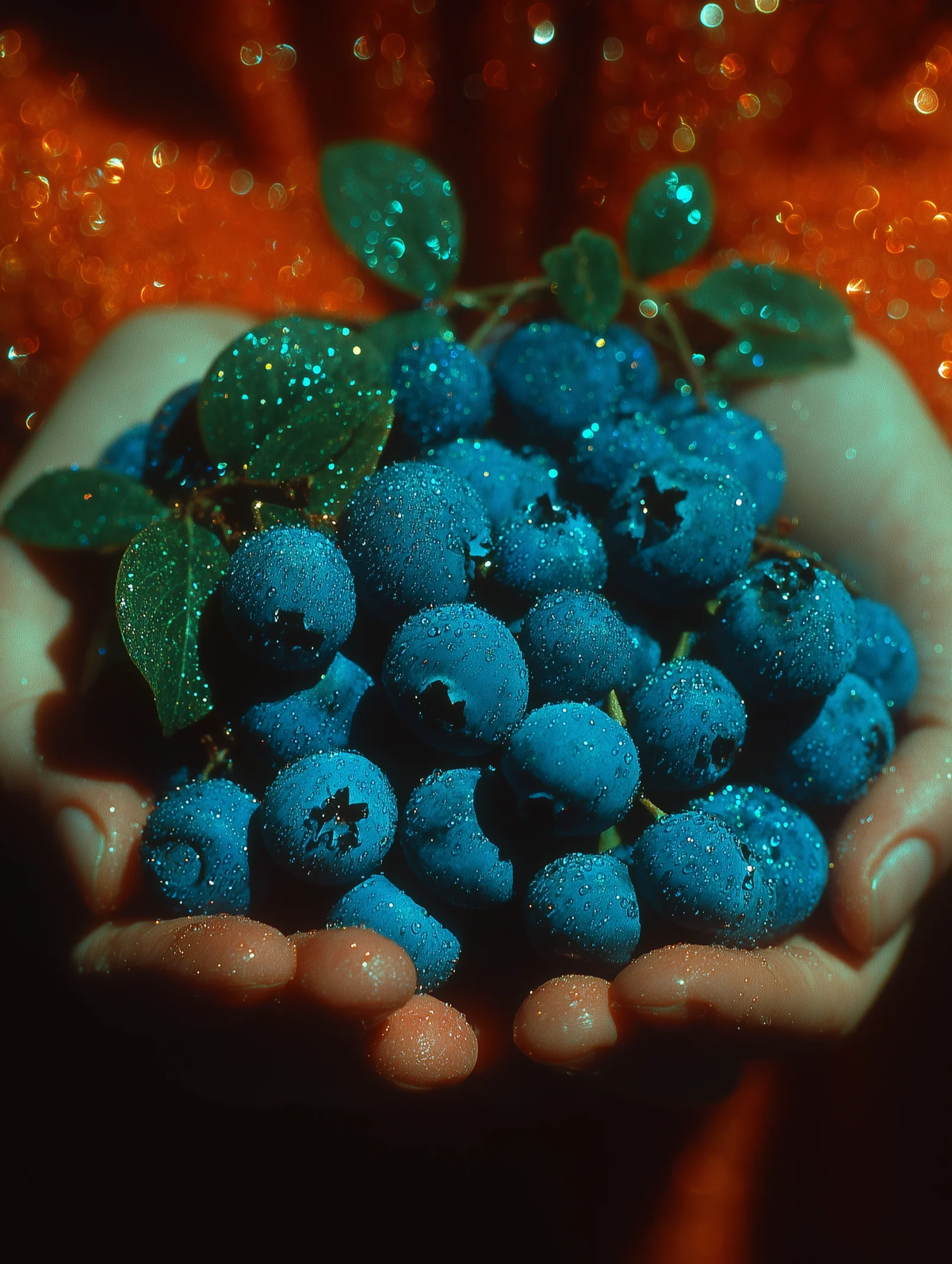
Long before kitchens, before recipes, before the choreography of fire and steel, there was a hand reaching toward a cluster of berries.
It is perhaps one of the oldest gestures in human history: to notice color against green, to recognize ripeness in a blush of red, blue, or black, and to trust, that something so small could be both nourishment and delight. The idea of eating berries begins not as cuisine, but as intuition sharpened by necessity.
From a food science perspective, berries are almost improbably generous. Their vivid pigments, anthocyanins and flavonoids are not there for us, but for protection, shielding the fruit from ultraviolet light, signaling readiness to animals, ensuring their seeds are carried elsewhere. Yet in our bodies, these same compounds act as antioxidants, quietly engaging in cellular defense, reducing oxidative stress, and supporting metabolic health. What evolved as a survival mechanism for the plant becomes a form of resilience for the eater.
Berries exist at the intersection of risk and reward. For early humans, they required knowledge, an understanding of seasons, landscapes, and subtle distinctions between what heals and what harms. A wrong berry could mean sickness; a right one, a burst of sugar rare in the wild. This tension made the act of eating berries not just consumption, but perception. It trained the eye. It sharpened memory. It embedded ecological awareness into the body.
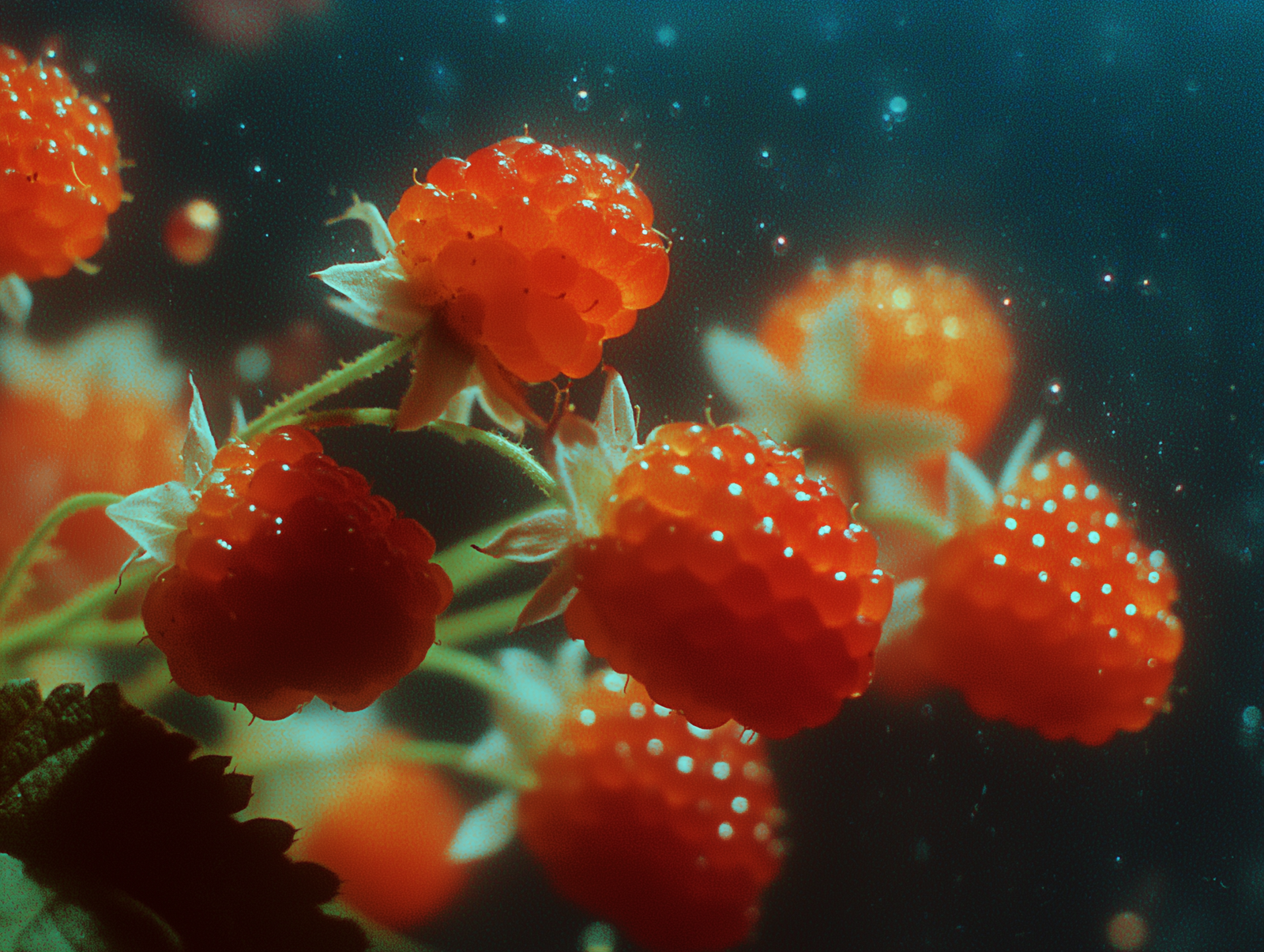
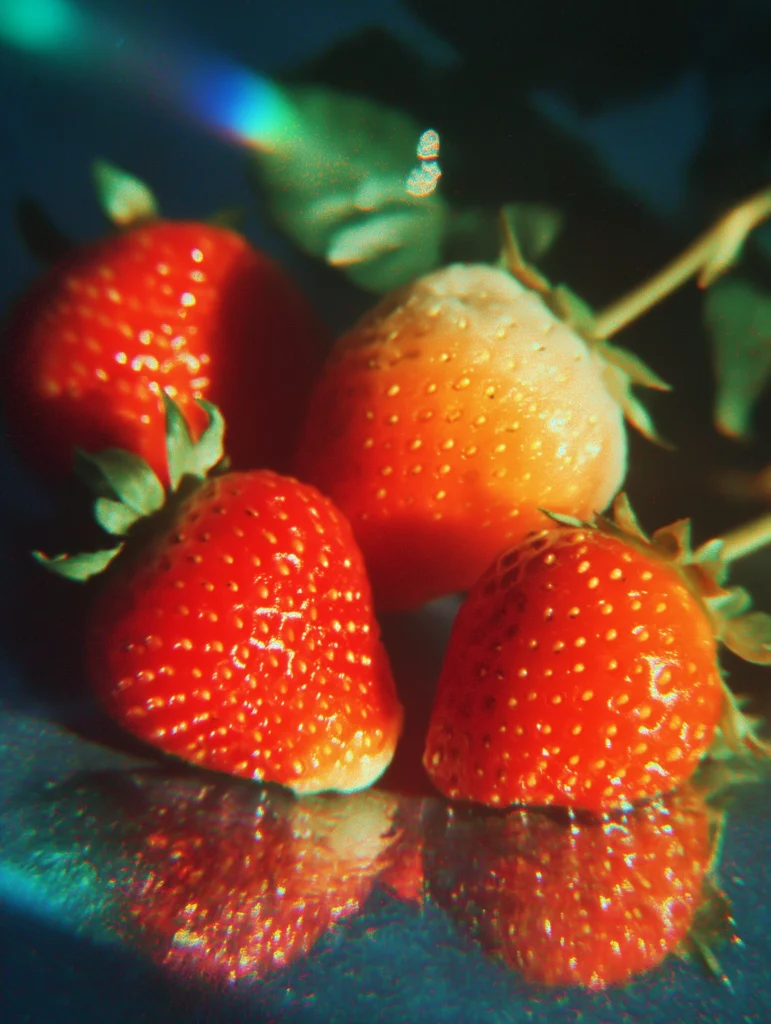
Even today, berries resist full domestication in a cultural sense. They remain slightly wild. A strawberry from a supermarket carries sweetness, yes—but compare it to one found growing under the sun, uneven in shape, intensely fragrant, collapsing at the touch. The difference is not just flavor; it is context. One is a product. The other is a moment.
There is also something intimate in their scale. Unlike grains or livestock, berries cannot be eaten abstractly. You do not harvest them in bulk without attention; you pick them one by one. Each berry asks for a decision, a small act of care. Eating them slows time, if only briefly.
In modern nutrition discourse, berries are often labeled a “superfood,” a term that flattens their complexity into function. High in fiber. Low in calories. Rich in vitamins. All true, and yet insufficient. Because the idea of eating berries is not only about what they do inside us, but what they ask of us: attentiveness, patience, a willingness to engage with the living world at its smallest scale.
To eat a berry is to participate in a quiet exchange. The plant offers sweetness and seed; the eater becomes, knowingly or not, part of its dispersal. It is a relationship disguised as a snack.
And perhaps that is why, across cultures and centuries, berries have remained more than food. They are signals—of season, of place, of fleeting abundance. They remind us that nourishment does not always come from control or design, but from noticing what is already there, waiting to be gathered.