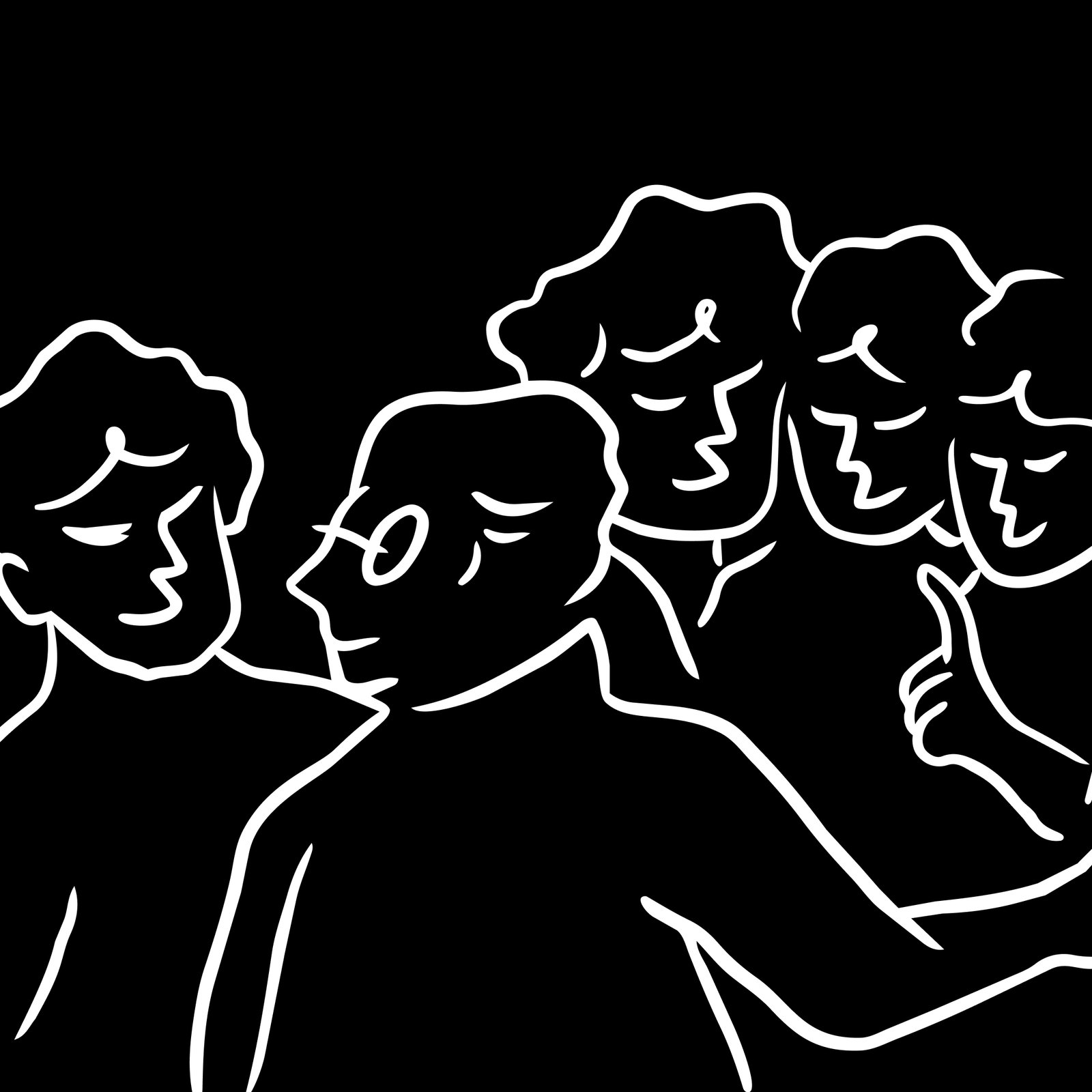
Sleep does not begin as silence. It begins as a slow unraveling.
The body goes still, but the mind, never fully cooperative, hangs around at the edge of the day. A half-finished thought, a snippet of conversation, that faint glow behind your closed eyes. And somewhere in that slow drift, you cross a threshold. Not suddenly or cleanly, but more like mist settling over water. That’s where dreams start, not really as stories yet, but as small, quiet disturbances.
One theory suggests that dreams are the brain’s way of sorting itself. A nocturnal archivist, quietly filing away the day’s impressions: what to keep, what to discard, what to soften into memory. Faces blur, places dissolve, and yet certain emotions remain vivid, almost stubborn. Why this feeling, and not that one? Why does the mind return to a single moment and reshape it into something stranger, deeper, more symbolic?
Another theory leans toward biology, the restless firing of neurons during REM sleep, signals without clear purpose, like sparks in the dark. The brain, ever meaning-hungry, gathers these sparks and arranges them into narrative. Not because they mean something, but because the mind cannot tolerate randomness. It must tell a story, even if the story is impossible.
And then there is the older, quieter idea: that dreams are not produced, but received. That in sleep, the boundaries of the self loosen, and something beyond the conscious mind seeps in. Not prophecy, not quite memory, but a kind of emotional truth that has no language in waking life.
Perhaps all of these are true at once.
A dream may begin with something small, a sound half-heard, the rhythm of breathing, the weight of a memory that did not settle properly. It gathers fragments the way wind gathers leaves, forming patterns that only exist for a moment before dissolving again.
And inside that fragile architecture, the dreamer moves, unaware of its making.
“In the quiet between two thoughts,
a door appears without a frame.
You step through, carrying nothing—
and wake with more than you can name.”
So what triggers a dream?
Not a single cause, but a convergence. Memory brushing against biology. Emotion colliding with randomness. The mind, in its most unguarded state, trying to understand itself. And perhaps that is why dreams feel so real while they last. Because in them, the mind is not explaining the world. It is simply experiencing it, without resistance.